Ginkgo biloba – 72 cm
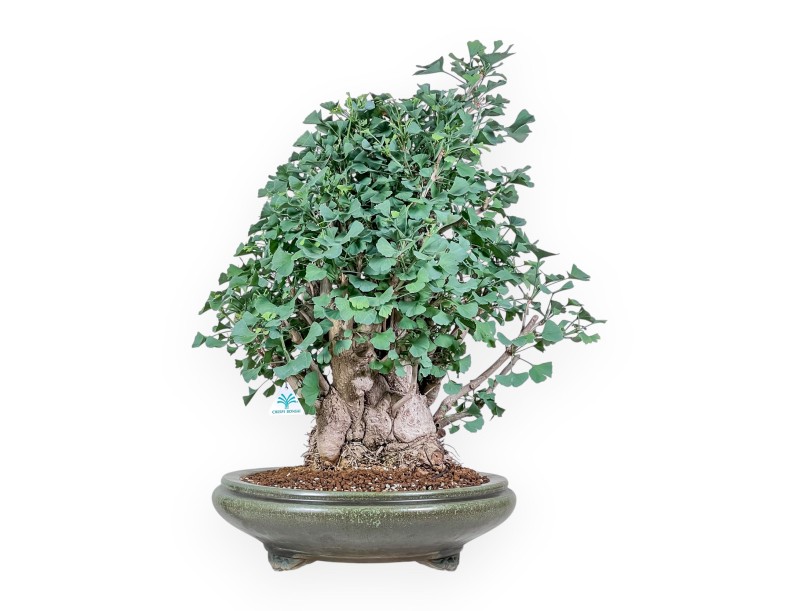
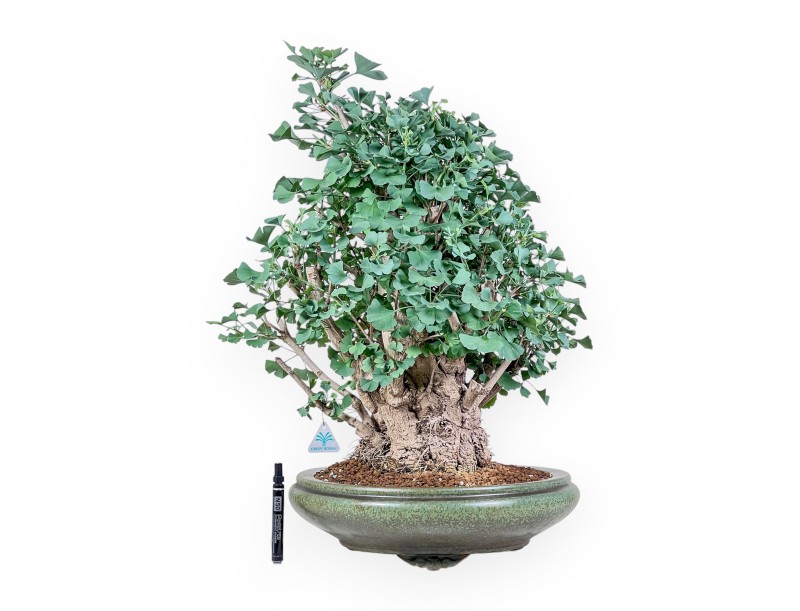
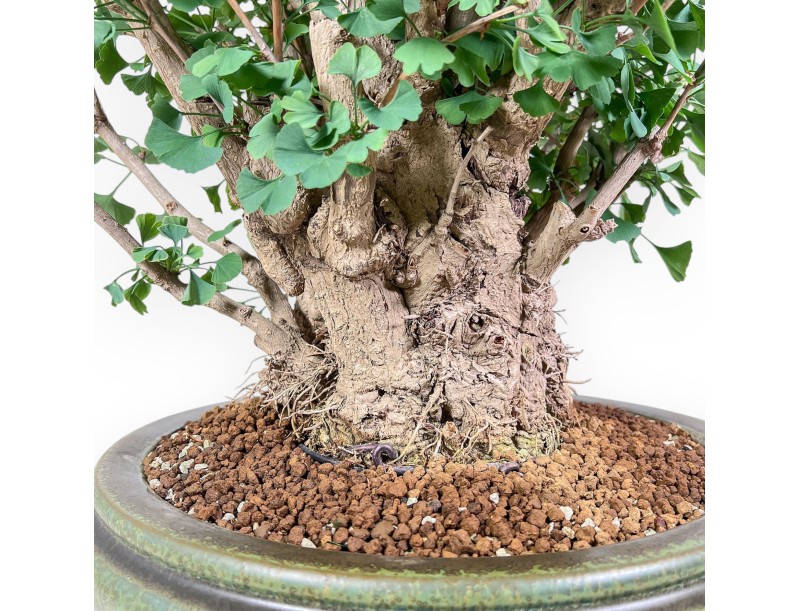
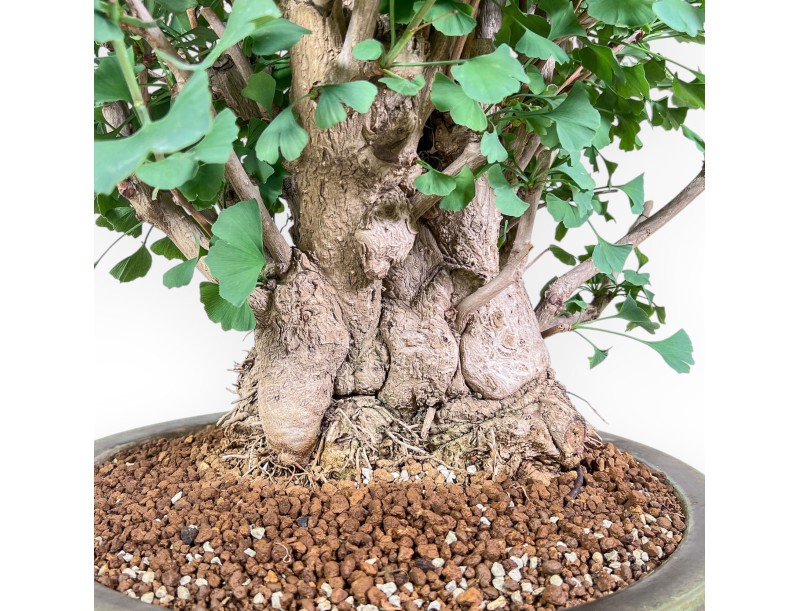
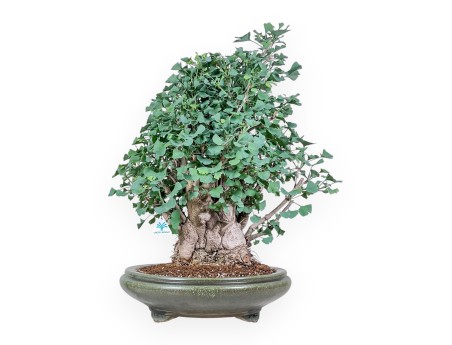
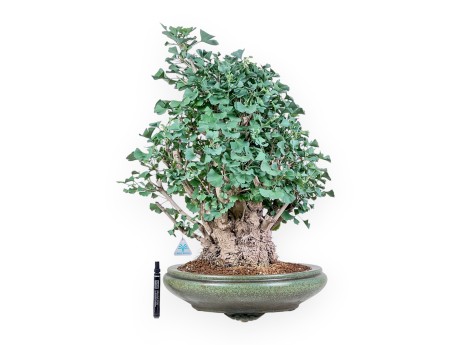
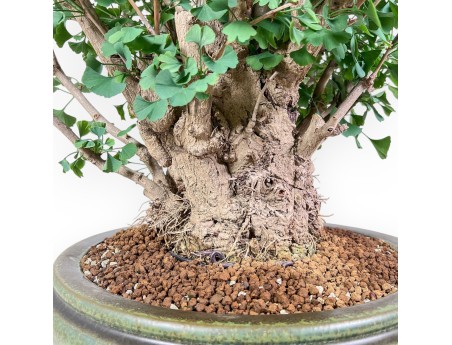
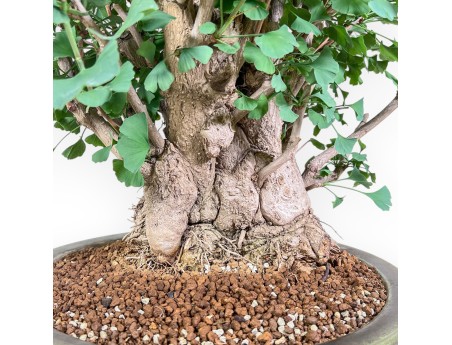
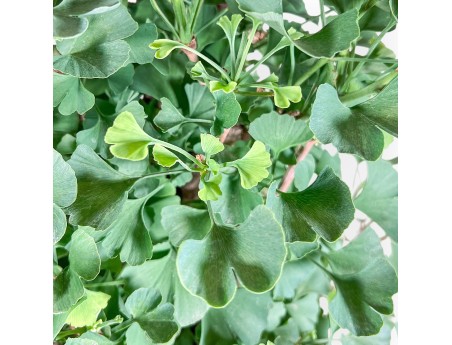
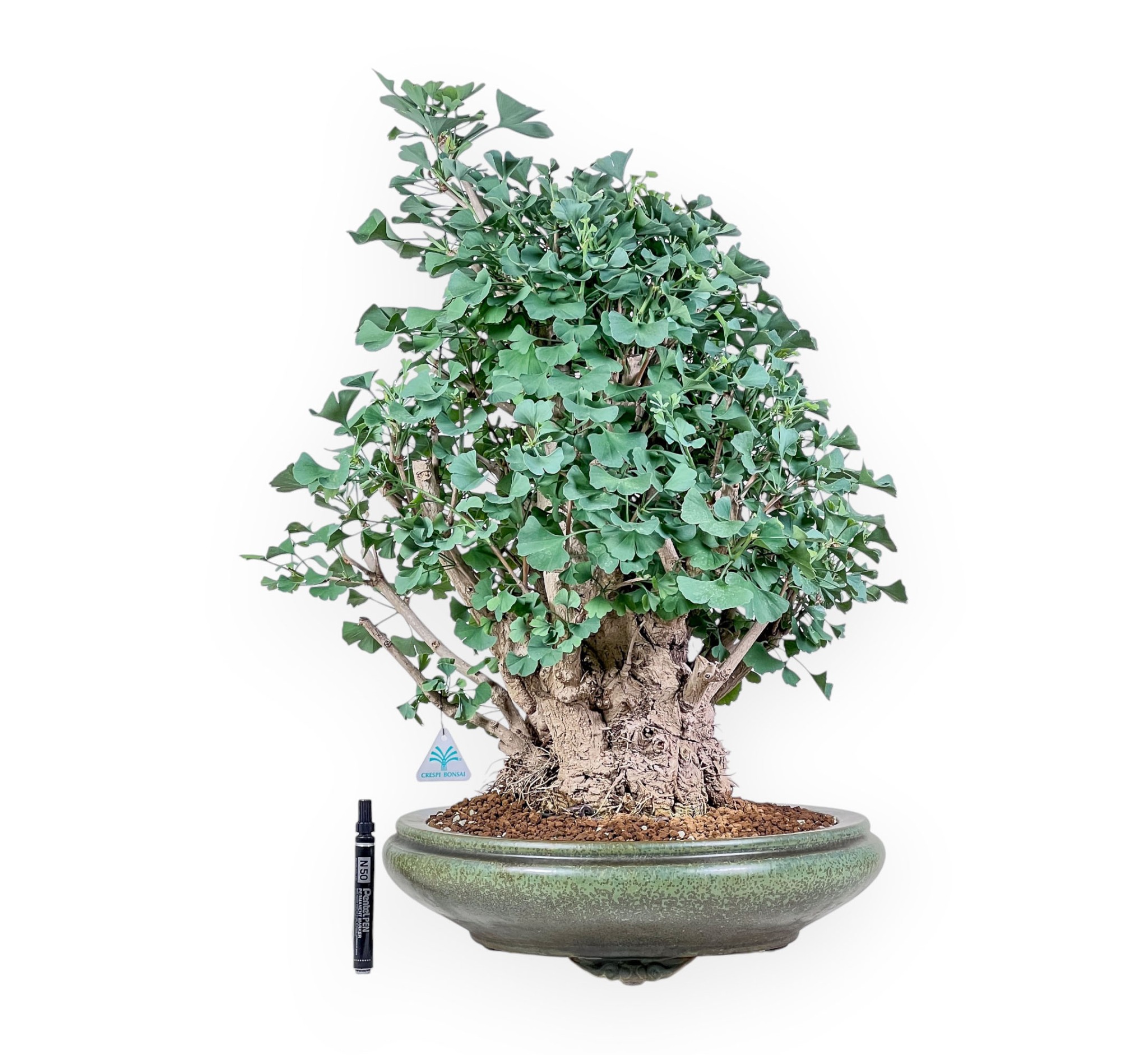
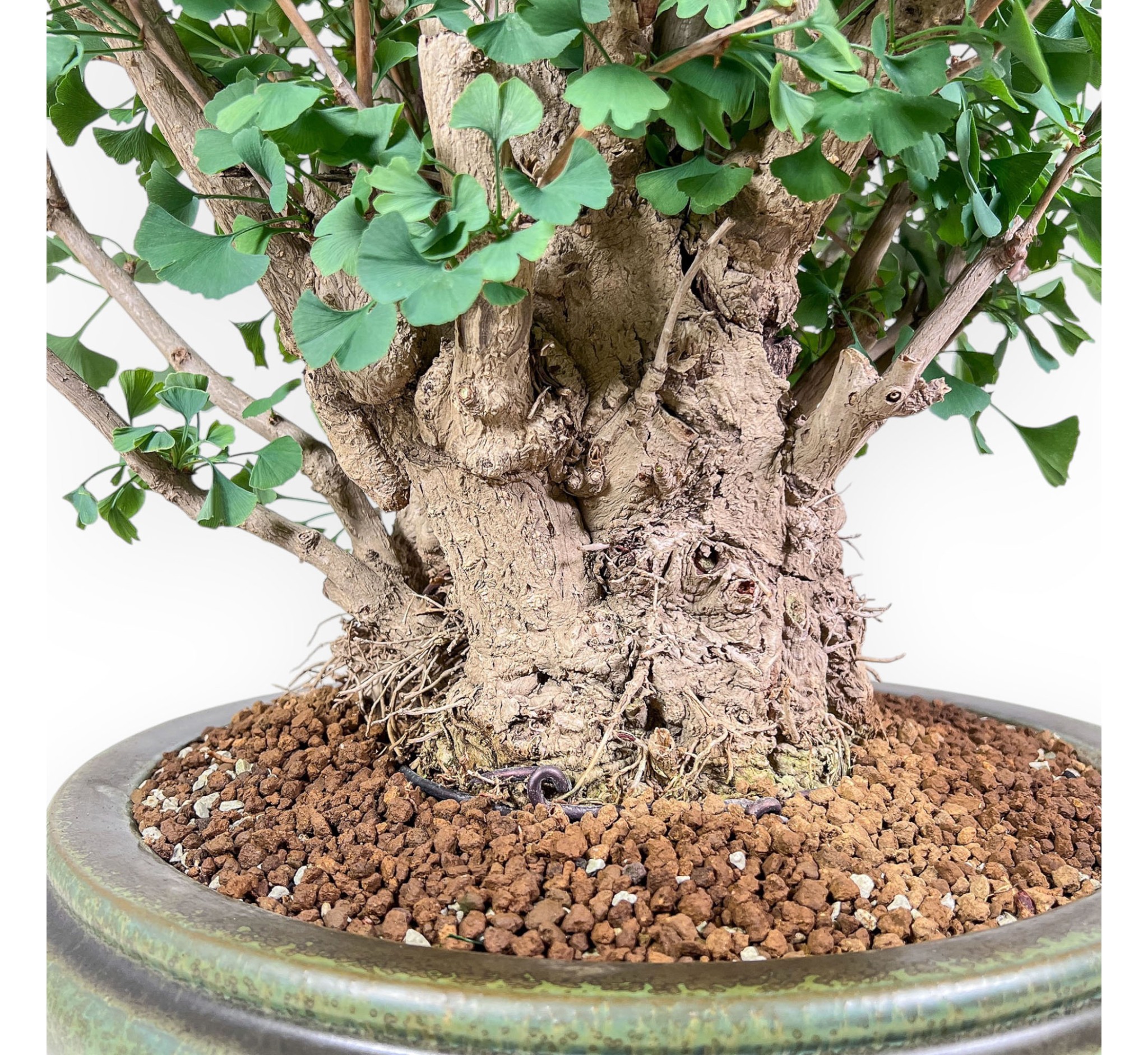
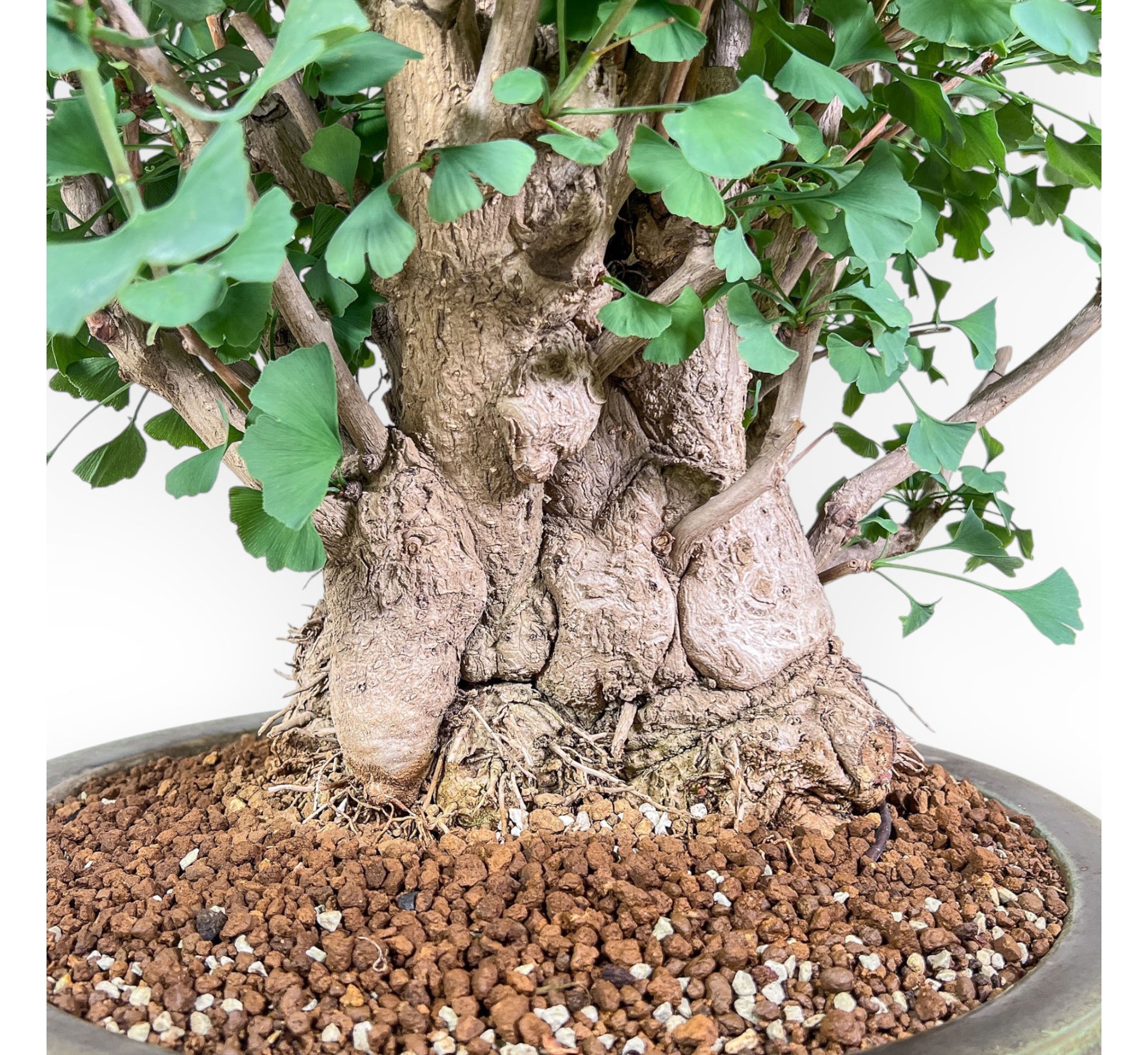
A fine example of a Ginkgo biloba bonsai, measuring 60 cm in height (excluding the pot), with trunks ranging from 1 to 7 cm in diameter and a nebari of 20 cm. The plant is grown in a round, glazed stoneware pot measuring Ø40xH12 cm.
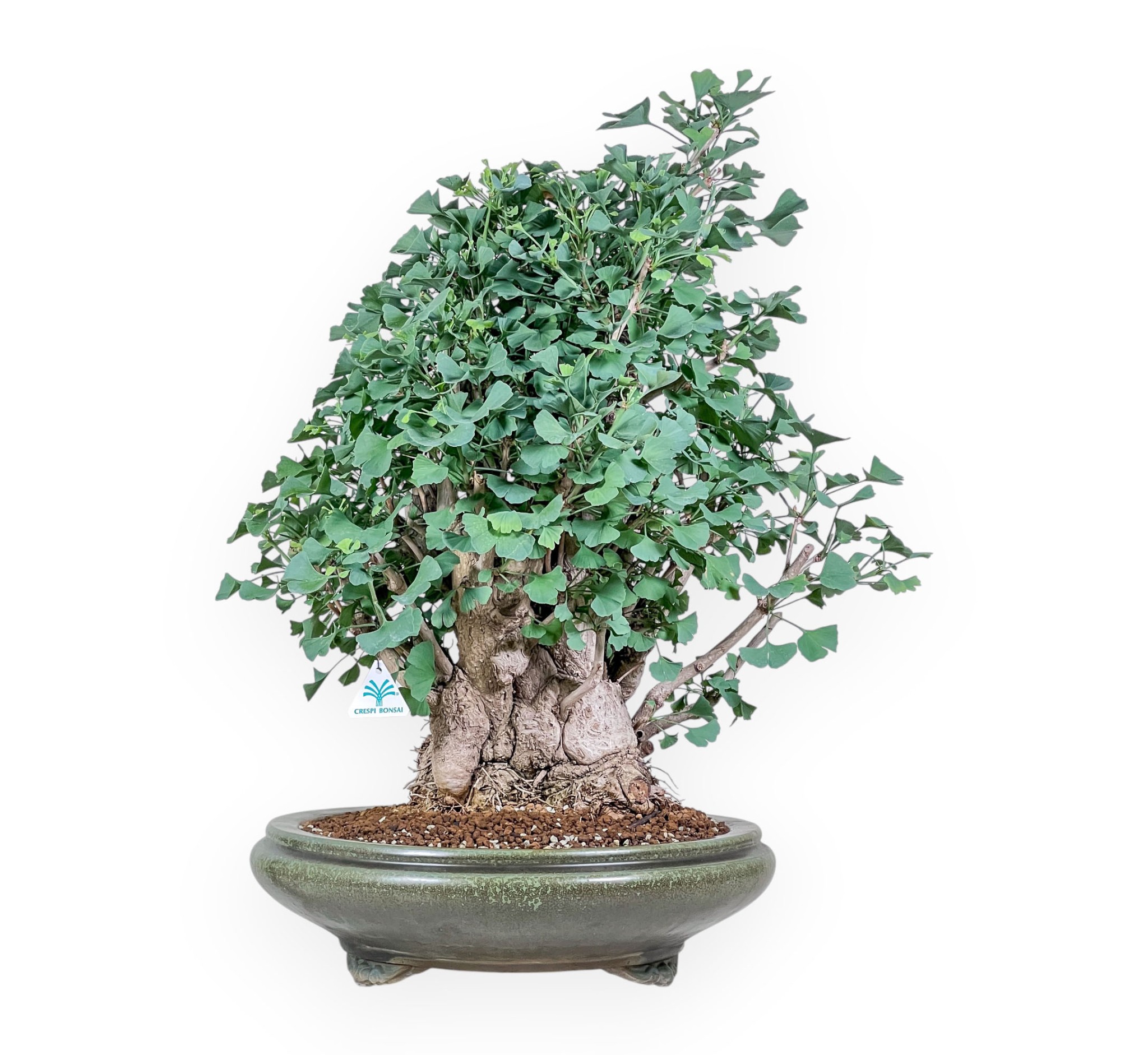
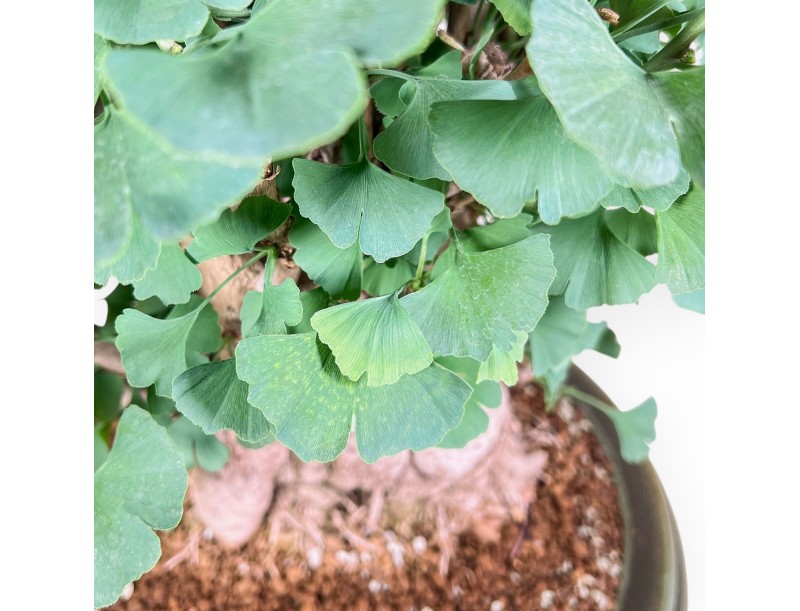
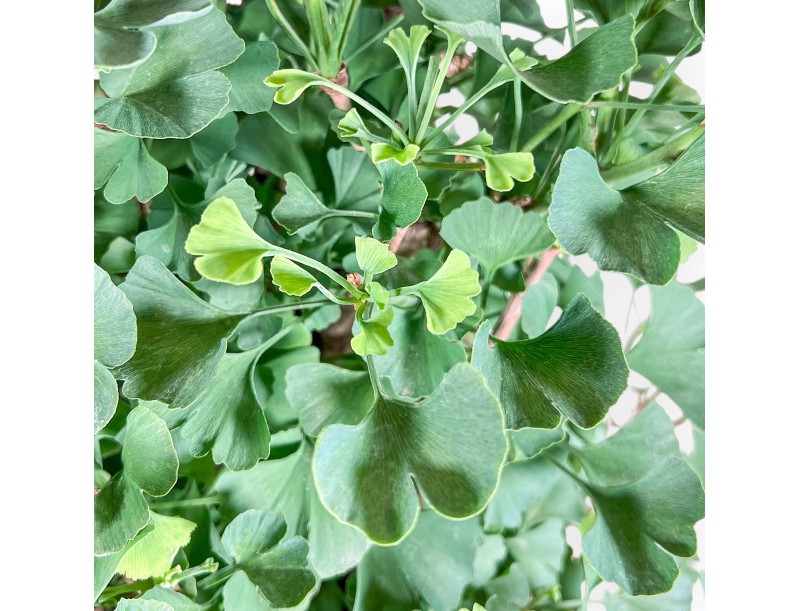
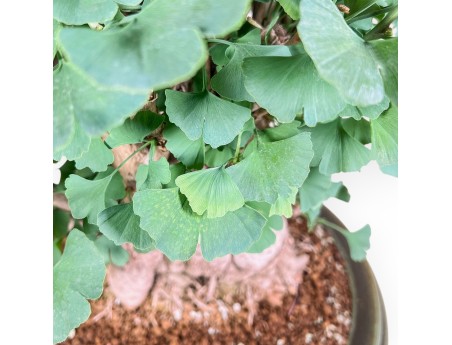
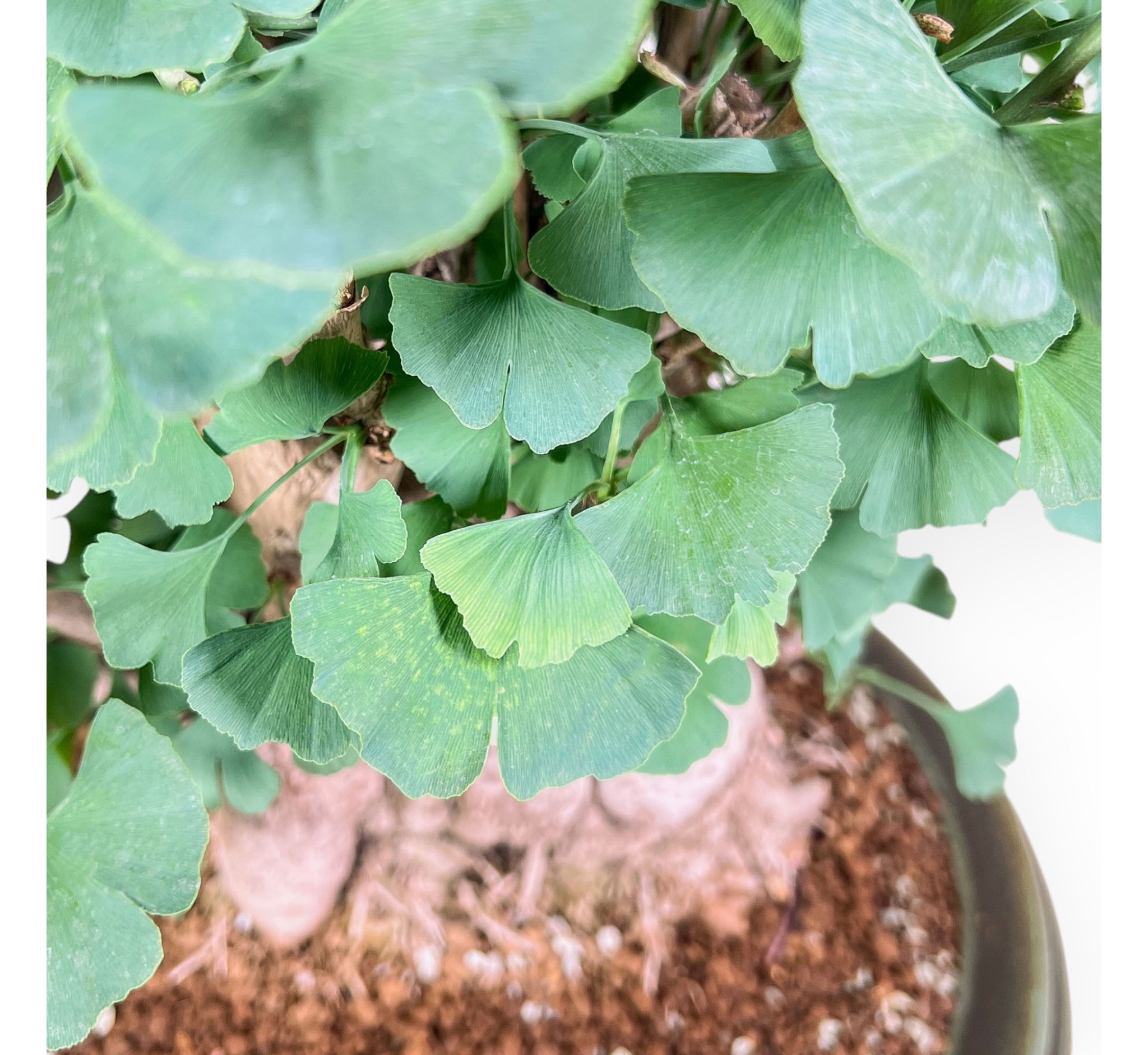
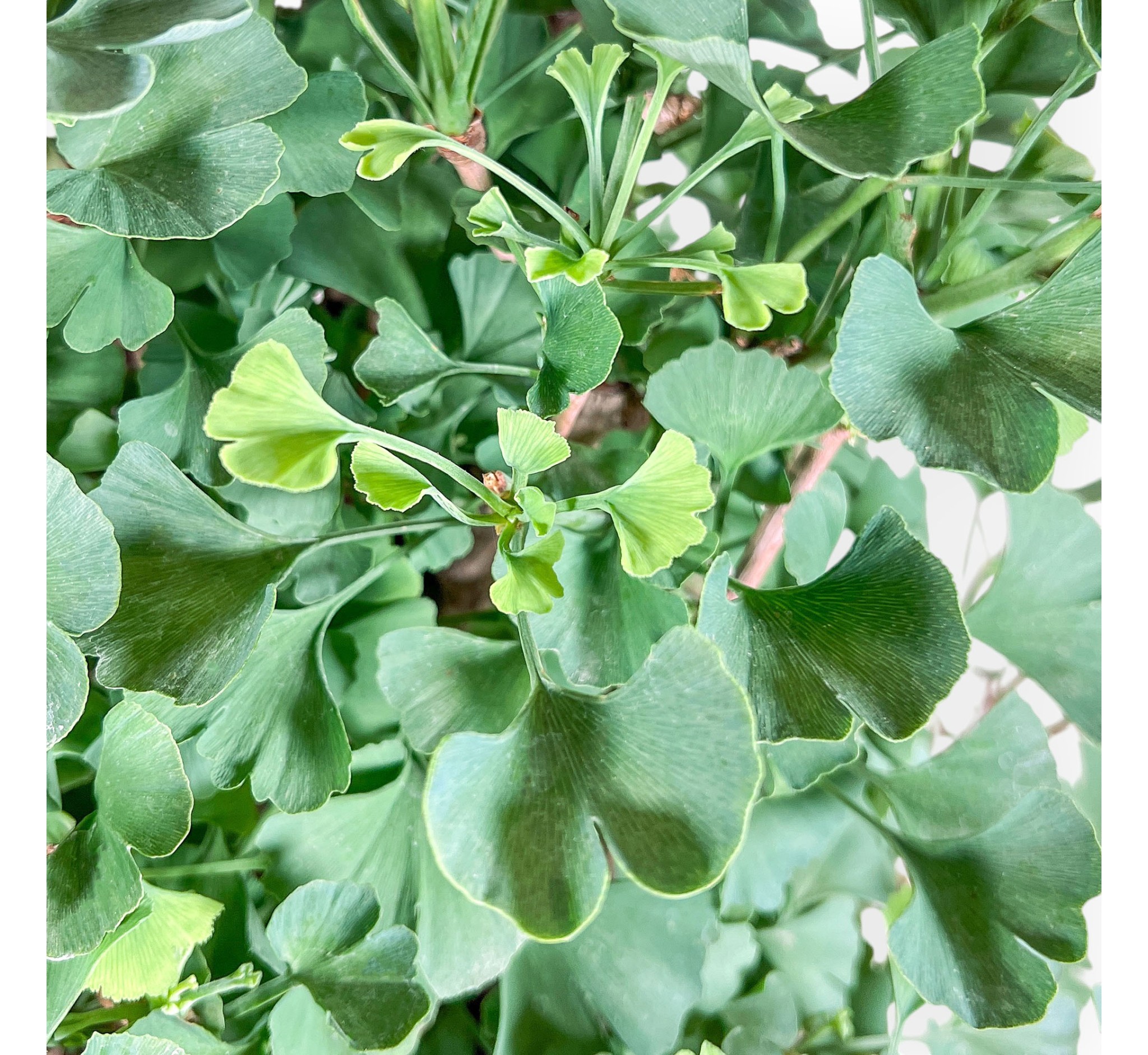
A fine example of a Ginkgo biloba bonsai, an ancient deciduous species known for its fan-shaped leaves and intense yellow autumn colouring. The foliage, which is initially green, turns orange-yellow in autumn and sheds its leaves in winter. The trunks are characterised by their cracked, striking bark. It is pruned in the stump-style (Kabudachi) form, in which all the trunks grow from the same base with a single root system, effectively making them a single tree. Grown in a round, olive-green glazed stoneware pot, it highlights the rustic character of the trunk and creates a contrast with the shades of green in the foliage.
Grow bonsai outdoors all year round, taking care to place it in a sheltered spot during the colder months and in partial shade during the warmer months.
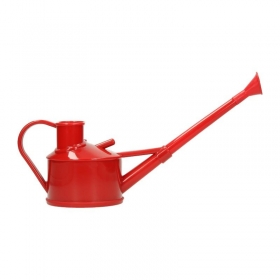
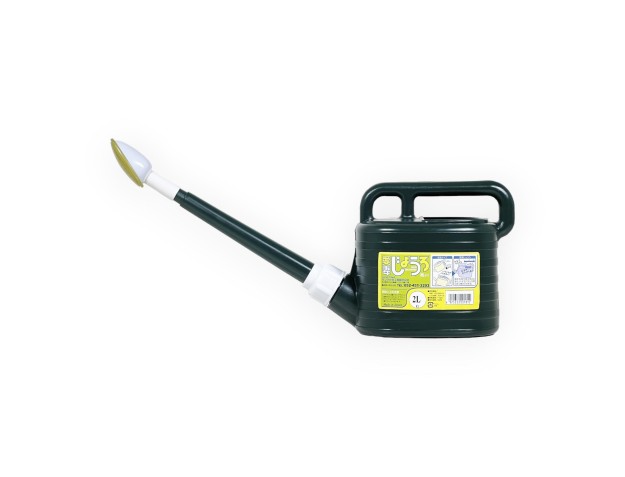
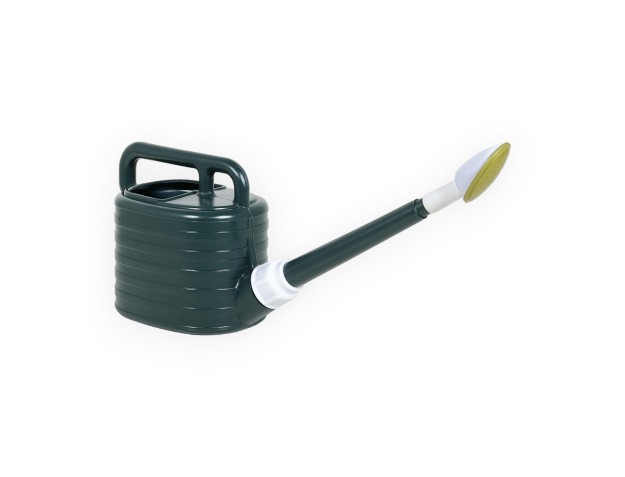
Always respect the dry and wet cycles: whenever the soil feels dry to the touch, water abundantly. Then wait for the soil to dry before watering again in the same way.
Discover the right products
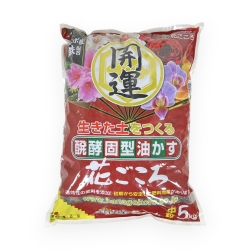
Apply fertilizer from spring to fall, avoiding the hottest months of July/August. Use an organic, liquid, or solid fertilizer.
Discover the right products
Until the bonsai is 10 years old, repot it every year. Once it has reached its final form, repot it every 3 years. The best time to do this is in spring, using a mixture of 70% akadama, 20% sand, and 10% ready-made soil.
Discover the right products
The best way to
the Ginkgo biloba
The best way to
the Ginkgo biloba
The best way to
the Ginkgo biloba