Error!

Chamaecyparis

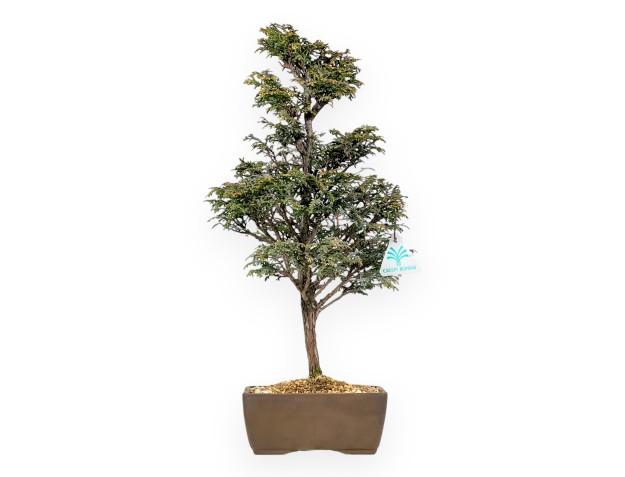
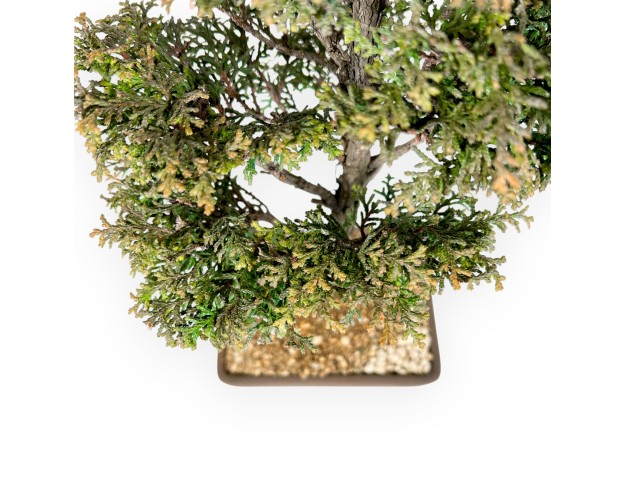
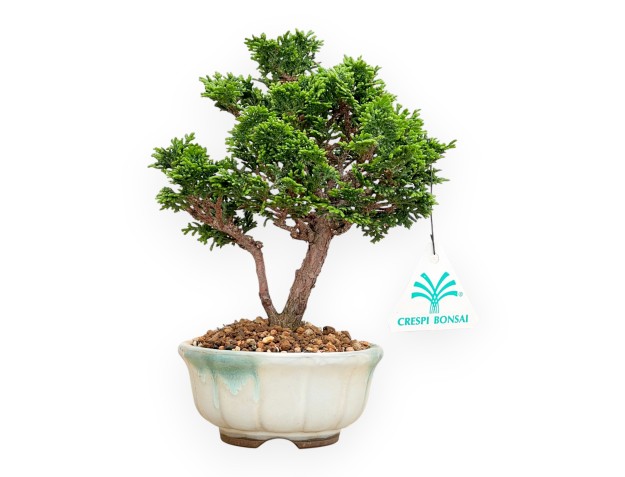
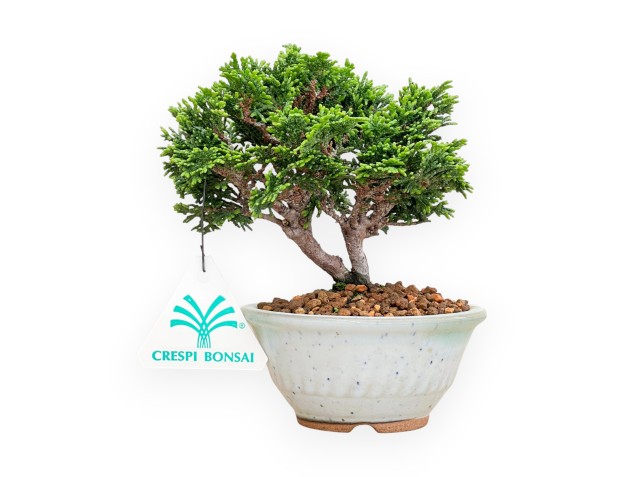
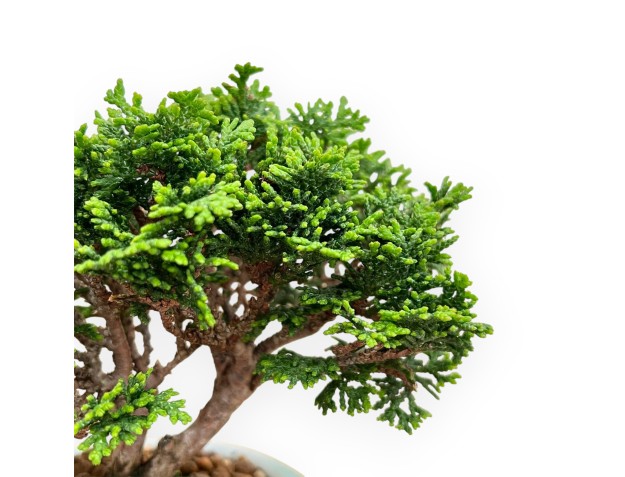
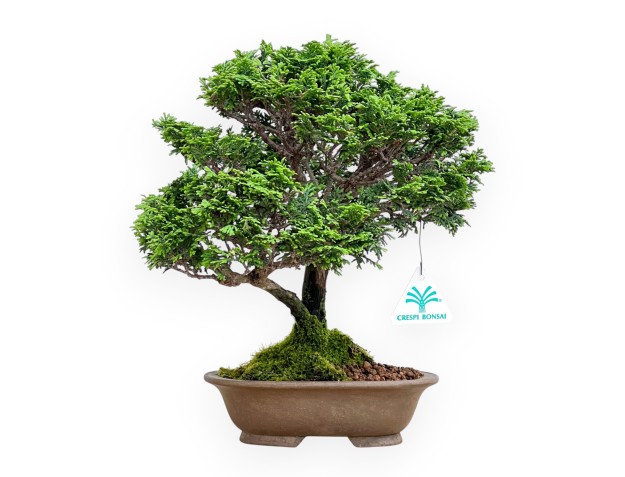
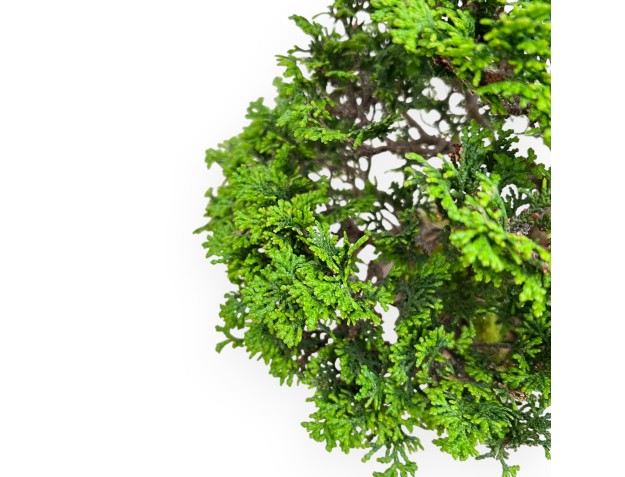
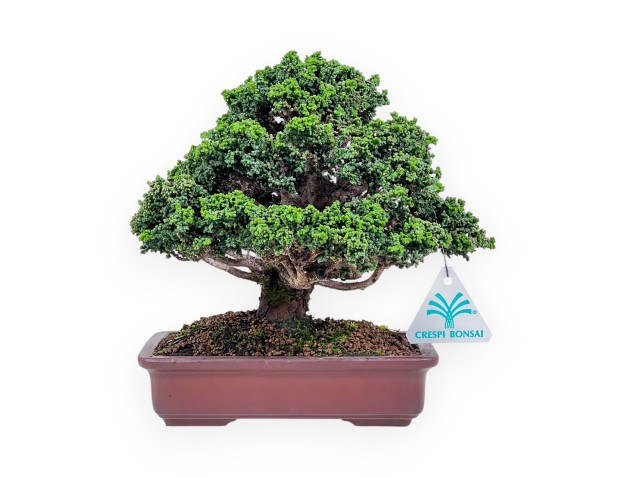
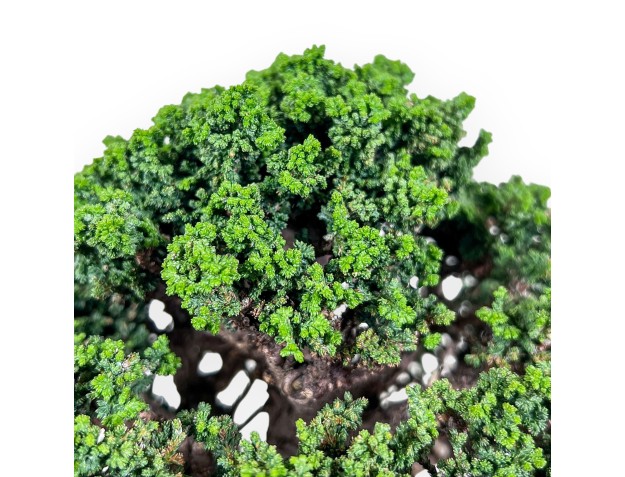
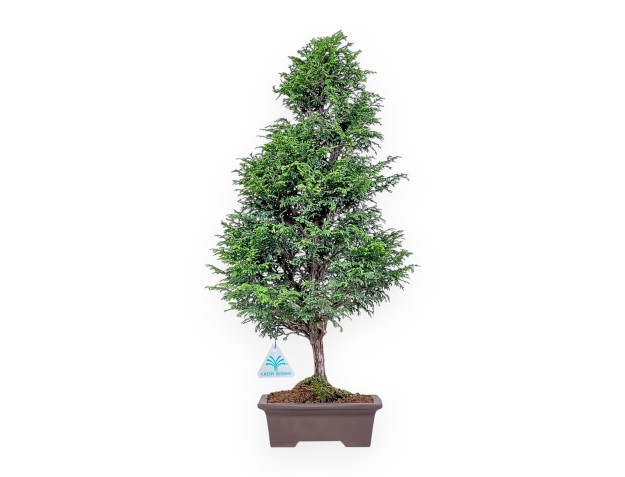
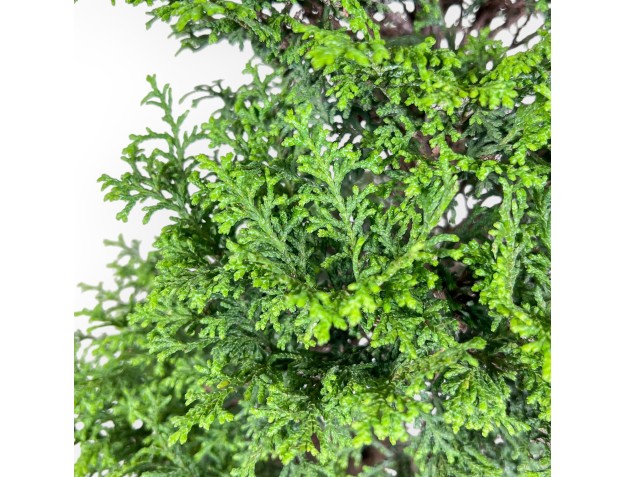
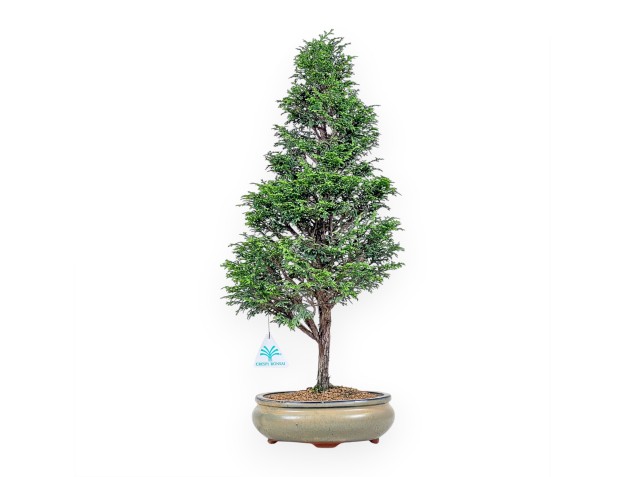
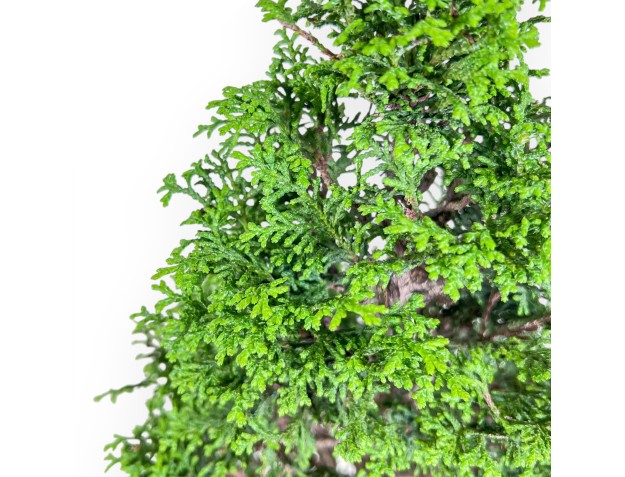
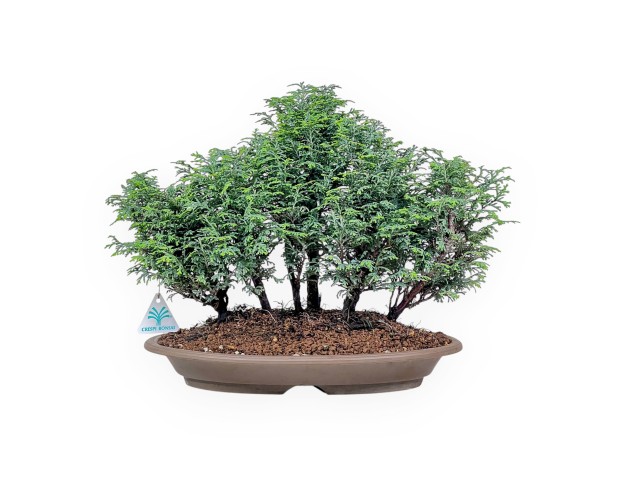
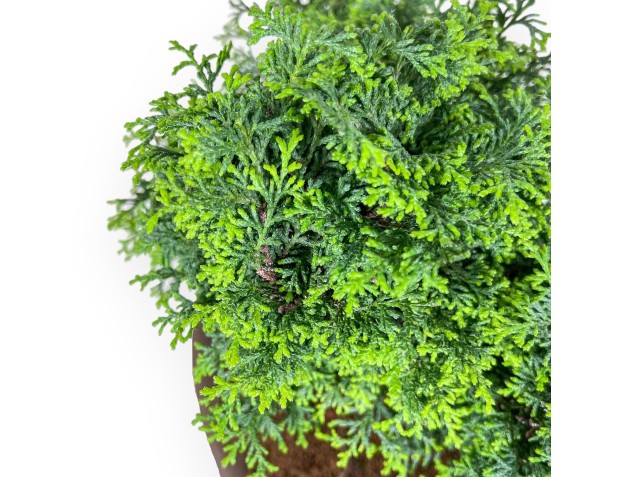
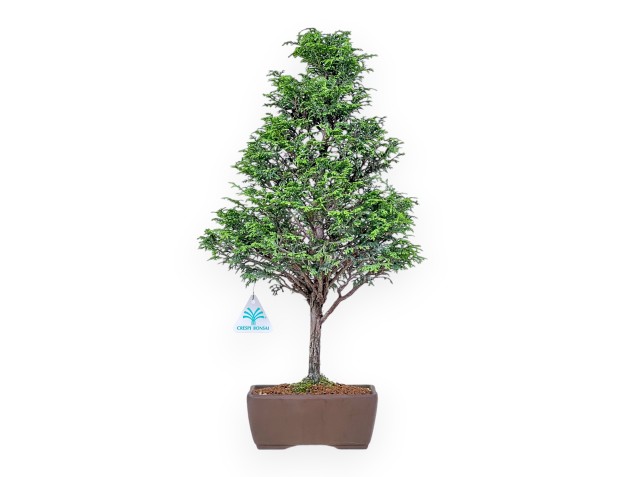
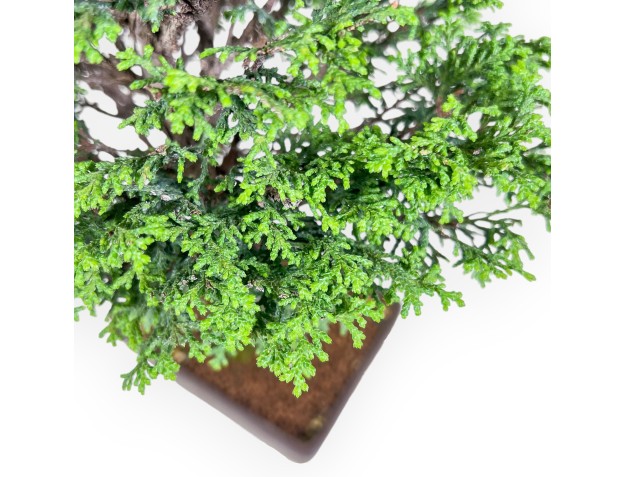
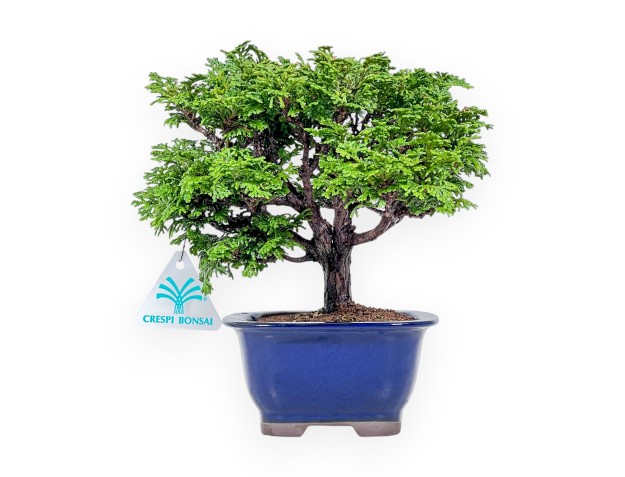
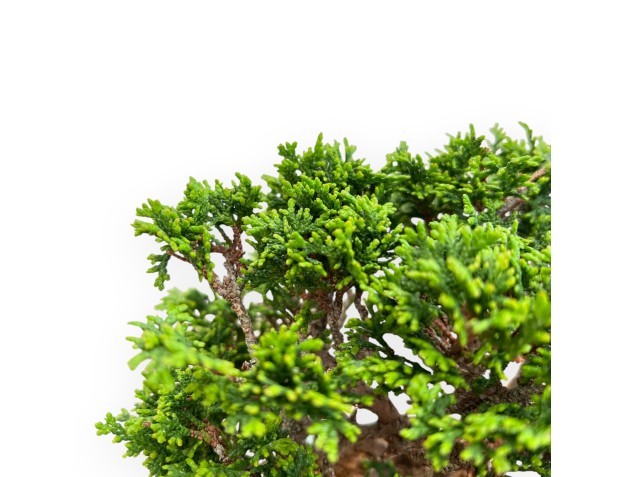
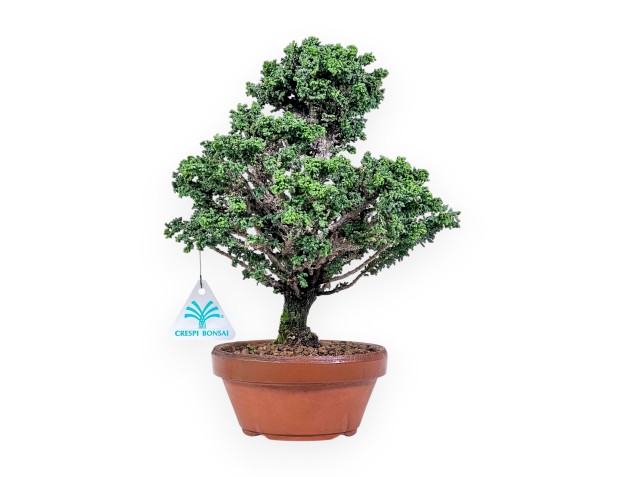
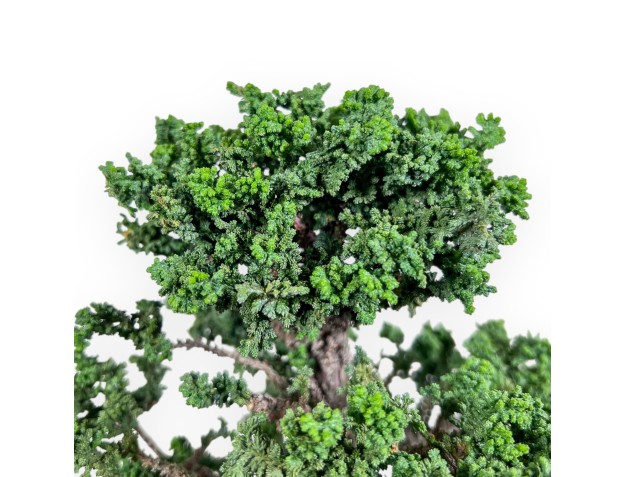
Its particular shape, characterised by a columnar or conical habit with fan-shaped trunks and scaly leaves, makes it very suitable for the creation of groves. Its wrinkled bark, which gives a pleasant sense of age even in specimens that are only a few years old, is also highly valued. The persistent squamiform-ovate dark green leaves are edged with blue on the underside. It produces a pine cone consisting of 4-12 woody scales, grows abundantly and develops a fine, compact foliage with pinching.

Chamaecyparis loves plenty of light. Although it also grows in shade, if well exposed to light, it is vigorous and responds better to training techniques. In the summer months, however, it is best not to expose it to the most intense rays, otherwise the leaves may get burned. The foliage, especially when temperatures are low, must be protected from the dehydrating action of the wind.

The common rule of watering whenever the soil feels dry to the touch is also ideal for Chamaecyparis, but bear in mind that in hot weather and when there is strong wind, you will need to water more frequently. In fact, in these cases, the soil often risks becoming completely dry. It is also important to bear in mind that both a lack of water and an excess of water can cause serious damage to the plant.

Transplanting is carried out once every two to three years between mid-March and the first ten days of April. Chamaecyparis has a fairly dense but not aggressive root system, so it is important not to prune the roots too drastically: it is advisable to remove no more than a third of the roots. Ideal composition: 70% Akadama, 20% ready-to-use soil, 10% pozzolana.

During the formation of the basic structure, it is important to let the tree grow freely and then prune it in order to maintain its vigor and obtain a significant response to the application of techniques. Thinning the branches is also very important in the cultivation of Chamaecyparis. After pinching, which slows down the development of strong areas, between summer and fall, it is necessary to prune the branches to tidy up overly dense and disordered layers. It is sufficient to do this once every two years. Over time, vigorous branches become thicker and take on excessive visual heaviness, so they should be pruned with shears until you can see through the branches. Neglecting periodic thinning pruning means gradually losing the inner parts of the branches due to lack of light and air. It is therefore advisable to carry out rather aggressive thinning pruning with shears every two or three years.

Once the basic structure of the tree has been formed, pinching is essential to give volume to the branches. If the purchased material has already reached a good level of formation, you can start pinching the shoots. New shoots of Chamaecyparis sprout continuously. The procedure to follow is simple: pinch out the shoots that have grown vigorously, pulling them out from the base, while leaving the weaker shoots intact. This allows the thin and weak branches to be strengthened, while curbing the vigorous ones that tend to make the shape disordered and unbalanced.

The best times for wrapping are February-March and from October to the first ten days of November. It is advisable to prune the branches in October and only then apply the wire for shaping.

From April to early July, apply Bonsan Organic Liquid Fertilizer together with Bonsan Stimulating Fertilizer every 15 days, or Bonsan Hanagokoro Organic Solid Fertilizer plus Bonsan Stimulating Fertilizer once a month. From the end of August to October, fertilize every 15 days with Bonsan Organic Liquid Fertilizer or Bonsan Hanagokoro Organic Solid Fertilizer. Twice a year (in autumn and at the end of winter), apply Bonsan Hanagokoro Organic Solid Fertilizer; 3-4 times a year, it is also advisable to use Bonsan Mineral Curative Solution. To stimulate rooting, use Bonsan Organic Mineral Fluid Fertilizer with B vitamins instead of Bonsan Organic Liquid Fertilizer.

Chamaecyparis bonsai is sensitive to dry air and heatstroke, which can cause dehydration of the tips and loss of foliage color. It is important to ensure good air circulation and avoid water stagnation. Periodic cleaning of dry or internal branches improves air circulation and prevents mold and rot. It can be susceptible to red spider mites and root rot.

Advice on:
Location

Chamaecyparis loves plenty of light. Although it also grows in shade, if well exposed to light, it is vigorous and responds better to training techniques. In the summer months, however, it is best not to expose it to the most intense rays, otherwise the leaves may get burned. The foliage, especially when temperatures are low, must be protected from the dehydrating action of the wind.

Watering

The common rule of watering whenever the soil feels dry to the touch is also ideal for Chamaecyparis, but bear in mind that in hot weather and when there is strong wind, you will need to water more frequently. In fact, in these cases, the soil often risks becoming completely dry. It is also important to bear in mind that both a lack of water and an excess of water can cause serious damage to the plant.

Repotting

Transplanting is carried out once every two to three years between mid-March and the first ten days of April. Chamaecyparis has a fairly dense but not aggressive root system, so it is important not to prune the roots too drastically: it is advisable to remove no more than a third of the roots. Ideal composition: 70% Akadama, 20% ready-to-use soil, 10% pozzolana.

Pruning

During the formation of the basic structure, it is important to let the tree grow freely and then prune it in order to maintain its vigor and obtain a significant response to the application of techniques. Thinning the branches is also very important in the cultivation of Chamaecyparis. After pinching, which slows down the development of strong areas, between summer and fall, it is necessary to prune the branches to tidy up overly dense and disordered layers. It is sufficient to do this once every two years. Over time, vigorous branches become thicker and take on excessive visual heaviness, so they should be pruned with shears until you can see through the branches. Neglecting periodic thinning pruning means gradually losing the inner parts of the branches due to lack of light and air. It is therefore advisable to carry out rather aggressive thinning pruning with shears every two or three years.

Pinching

Once the basic structure of the tree has been formed, pinching is essential to give volume to the branches. If the purchased material has already reached a good level of formation, you can start pinching the shoots. New shoots of Chamaecyparis sprout continuously. The procedure to follow is simple: pinch out the shoots that have grown vigorously, pulling them out from the base, while leaving the weaker shoots intact. This allows the thin and weak branches to be strengthened, while curbing the vigorous ones that tend to make the shape disordered and unbalanced.

Wiring

The best times for wrapping are February-March and from October to the first ten days of November. It is advisable to prune the branches in October and only then apply the wire for shaping.

Fertilization

From April to early July, apply Bonsan Organic Liquid Fertilizer together with Bonsan Stimulating Fertilizer every 15 days, or Bonsan Hanagokoro Organic Solid Fertilizer plus Bonsan Stimulating Fertilizer once a month. From the end of August to October, fertilize every 15 days with Bonsan Organic Liquid Fertilizer or Bonsan Hanagokoro Organic Solid Fertilizer. Twice a year (in autumn and at the end of winter), apply Bonsan Hanagokoro Organic Solid Fertilizer; 3-4 times a year, it is also advisable to use Bonsan Mineral Curative Solution. To stimulate rooting, use Bonsan Organic Mineral Fluid Fertilizer with B vitamins instead of Bonsan Organic Liquid Fertilizer.

Care

Chamaecyparis bonsai is sensitive to dry air and heatstroke, which can cause dehydration of the tips and loss of foliage color. It is important to ensure good air circulation and avoid water stagnation. Periodic cleaning of dry or internal branches improves air circulation and prevents mold and rot. It can be susceptible to red spider mites and root rot.

Filter by
Categories
Price
Style
Height
Height without pot
Filter
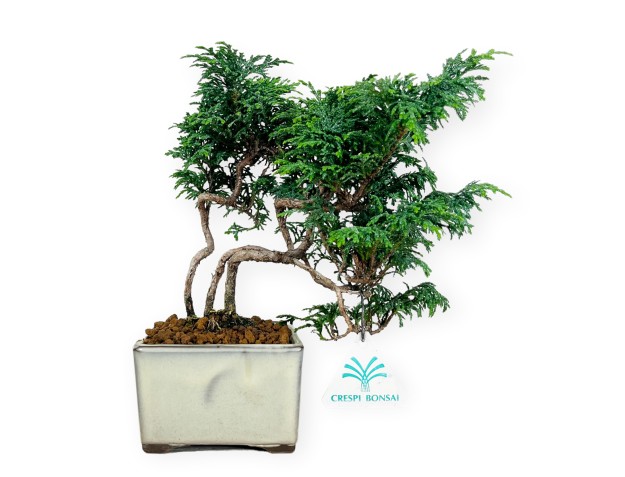
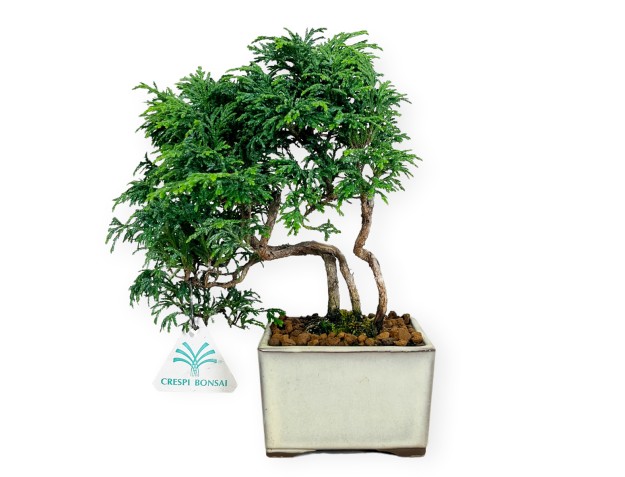
Chamaecyparis Obtusa - False Cypress - 31 cm Chamaecyparis Obtusa - False Cypress - 31 cm 2
Available
Conifers bonsai

Chamaecyparis Obtusa - False Cypress - 31 cm

Chamaecyparis
Y11LEI-6209
€136.36
Style: informal upright Height without pot: 24,5 cm Trunk: 1 cm Nebari: 3 cm Unglazed stoneware pot: 13 x 11,5 x H 6,5 cm
Product added to wishlist