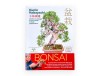
Cercidiphyllum
Cercidiphyllum, also known as Katsura or “caramel tree”, is a deciduous flowering variety prized for its aesthetic beauty and hardiness. Its bright green, heart-shaped leaves with slightly wavy edges are one of its distinctive features. The foliage changes color spectacularly during the fall, taking on shades ranging from yellow to orange and red. Its small, inconspicuous pink flowers, which bloom in the spring, are dioecious. There are therefore male and female plants: the male plants are distinguished by the delicate scent they emit in autumn, reminiscent of a sweet and spicy mixture that recalls the aroma of caramel. It is a species much appreciated for its ability to take on elegant shapes, thanks to its fine branching and dark brown trunk, which can be easily shaped.
Cercidiphyllum bonsai should be grown outdoors all year round, in a sunny or semi-shaded position. It loves full light, which stimulates vigorous growth, better flowering, and good foliage coloration. It is ideal in a temperate environment, protected from cold drafts. During the winter, it is best to keep it in a sheltered place where temperatures do not fall below 6°C.
The common rule of watering whenever the soil feels dry to the touch is also ideal for Cercidiphyllum, but bear in mind that in hotter periods and in strong winds, you will need to water more frequently. In fact, in these cases, the soil often risks becoming completely dry. It is also important to bear in mind that both a lack and an excess of water can cause serious imbalances in the plant. More specifically, a lack of water causes the leaves to wilt and stunted growth, while an excess causes the leaves to blacken at the tips.
Repotting is carried out every 2-3 years in spring, before the growing season begins, to promote growth and keep the root system healthy. The ideal substrate is well-drained, fertile, and rich in organic matter, with a slightly acidic or neutral pH, to avoid water stagnation and prevent root rot.
Structural pruning is carried out in late winter or early spring, before new shoots appear. At this stage, the line of the trunk is defined and damaged, dry, or inward-growing branches are removed. It is also possible to reduce the size of the plant if you want to keep it more compact, but generally this tree has a harmonious natural growth that does not require much maintenance. During the growing season in summer, light maintenance pruning can be carried out, mainly to correct the direction of the branches and improve the conicity of the branching.
Cercidiphyllum bonsai has a natural, harmonious growth that does not require much maintenance. Pinching is used to keep the crown compact and stimulate fine branching. When the new shoots have produced 2-4 leaves, you can remove the apical part. Pinching is useful for maintaining balanced proportions between the crown and trunk.
Wiring Cercidiphyllum is most effective during the growing season, but it must be done carefully without applying too much pressure on the trunk and branches to avoid damage. The wire can be removed after a few months, when the branches have stabilized in the desired position.
Fertilizing Cercidiphyllum is essential to keep it healthy and vigorous. During the growing season (spring and summer, excluding the hottest months), apply a balanced or specific bonsai fertilizer such as hanagokoro every 4 weeks. In autumn, it is preferable to use a fertilizer with less nitrogen and more potassium to promote lignification of the branches and prepare the plant for winter. During the dormant season, it is advisable to minimize or avoid fertilization.
Cercidiphyllum is a disease-resistant plant and is not particularly susceptible to common pests. However, it is important to monitor it for any signs of pests or diseases. In case of aphid or other pest attacks, especially during the summer season, natural remedies or mild insecticides can be used. In addition, this variety likes medium humidity, so during periods of dry air, it is helpful to lightly mist the foliage. The plant is generally resistant to fungal diseases if the soil is not too wet.
Cercidiphyllum bonsai should be grown outdoors all year round, in a sunny or semi-shaded position. It loves full light, which stimulates vigorous growth, better flowering, and good foliage coloration. It is ideal in a temperate environment, protected from cold drafts. During the winter, it is best to keep it in a sheltered place where temperatures do not fall below 6°C.
The common rule of watering whenever the soil feels dry to the touch is also ideal for Cercidiphyllum, but bear in mind that in hotter periods and in strong winds, you will need to water more frequently. In fact, in these cases, the soil often risks becoming completely dry. It is also important to bear in mind that both a lack and an excess of water can cause serious imbalances in the plant. More specifically, a lack of water causes the leaves to wilt and stunted growth, while an excess causes the leaves to blacken at the tips.
Repotting is carried out every 2-3 years in spring, before the growing season begins, to promote growth and keep the root system healthy. The ideal substrate is well-drained, fertile, and rich in organic matter, with a slightly acidic or neutral pH, to avoid water stagnation and prevent root rot.
Structural pruning is carried out in late winter or early spring, before new shoots appear. At this stage, the line of the trunk is defined and damaged, dry, or inward-growing branches are removed. It is also possible to reduce the size of the plant if you want to keep it more compact, but generally this tree has a harmonious natural growth that does not require much maintenance. During the growing season in summer, light maintenance pruning can be carried out, mainly to correct the direction of the branches and improve the conicity of the branching.
Cercidiphyllum bonsai has a natural, harmonious growth that does not require much maintenance. Pinching is used to keep the crown compact and stimulate fine branching. When the new shoots have produced 2-4 leaves, you can remove the apical part. Pinching is useful for maintaining balanced proportions between the crown and trunk.
Wiring Cercidiphyllum is most effective during the growing season, but it must be done carefully without applying too much pressure on the trunk and branches to avoid damage. The wire can be removed after a few months, when the branches have stabilized in the desired position.
Fertilizing Cercidiphyllum is essential to keep it healthy and vigorous. During the growing season (spring and summer, excluding the hottest months), apply a balanced or specific bonsai fertilizer such as hanagokoro every 4 weeks. In autumn, it is preferable to use a fertilizer with less nitrogen and more potassium to promote lignification of the branches and prepare the plant for winter. During the dormant season, it is advisable to minimize or avoid fertilization.
Cercidiphyllum is a disease-resistant plant and is not particularly susceptible to common pests. However, it is important to monitor it for any signs of pests or diseases. In case of aphid or other pest attacks, especially during the summer season, natural remedies or mild insecticides can be used. In addition, this variety likes medium humidity, so during periods of dry air, it is helpful to lightly mist the foliage. The plant is generally resistant to fungal diseases if the soil is not too wet.