Error!

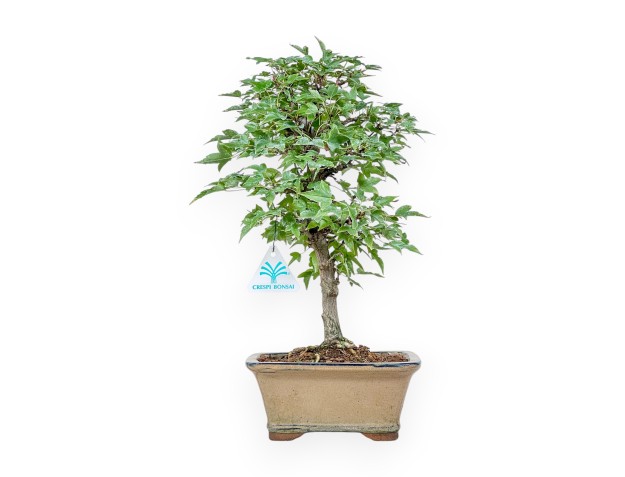
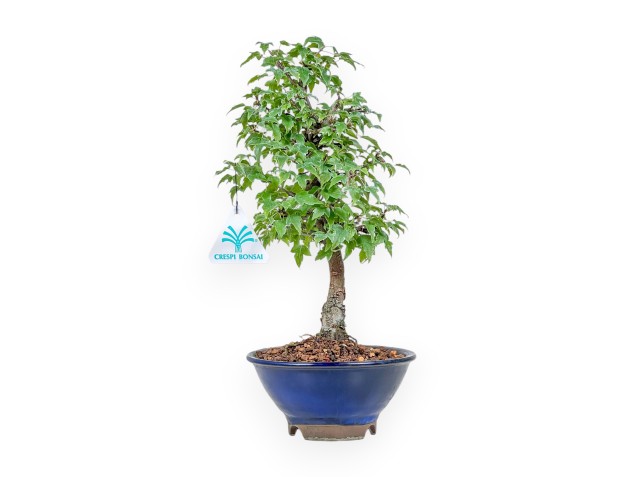
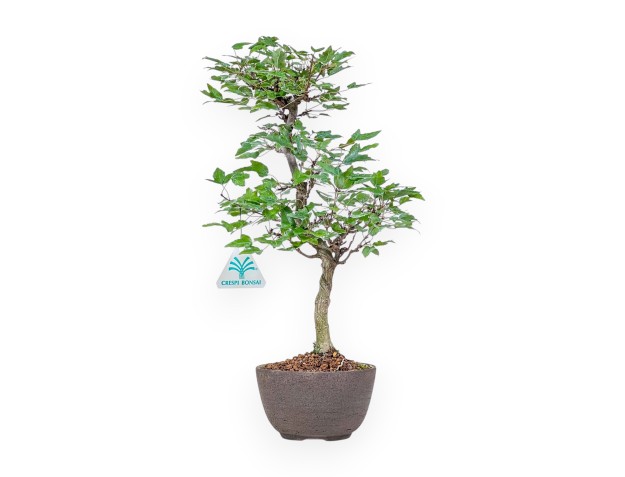
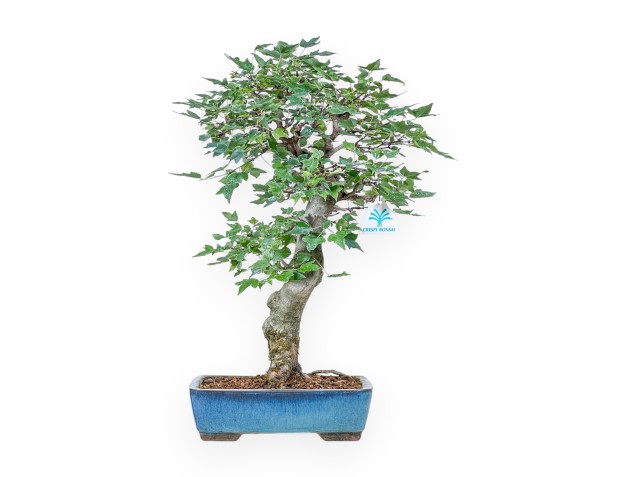
Acer buergerianum

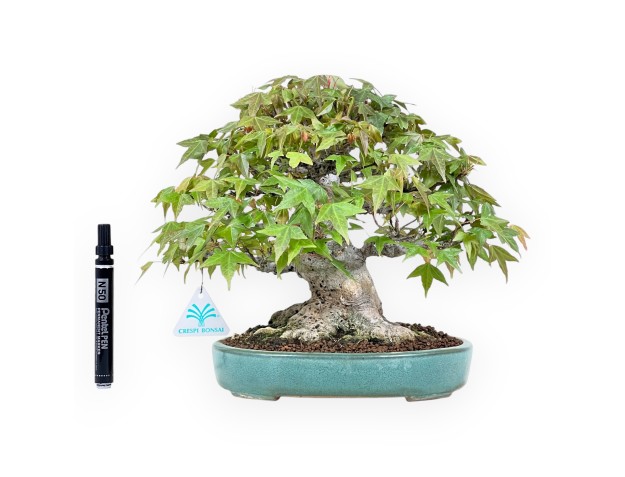
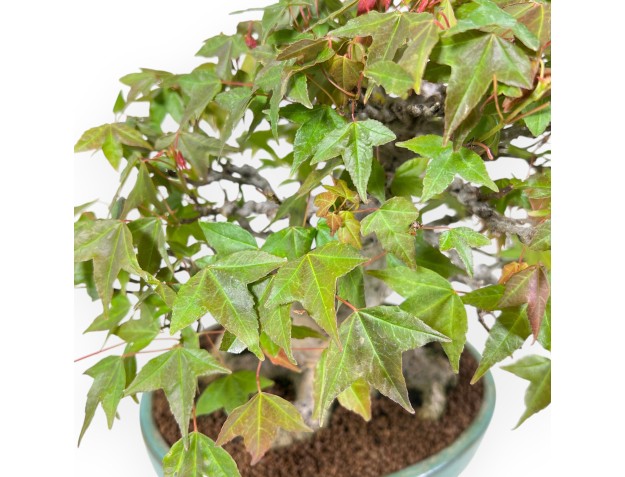
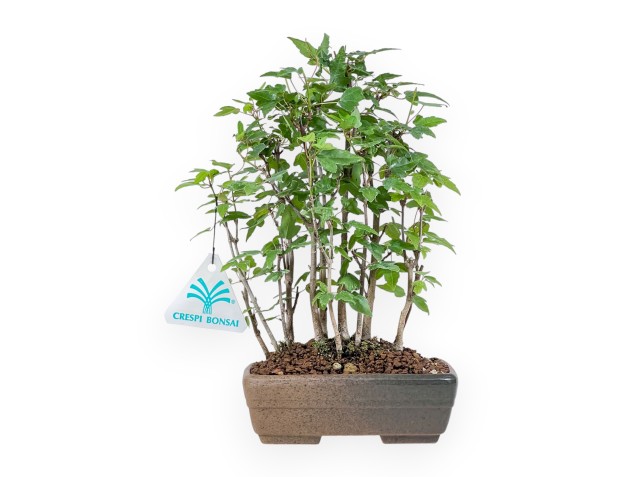
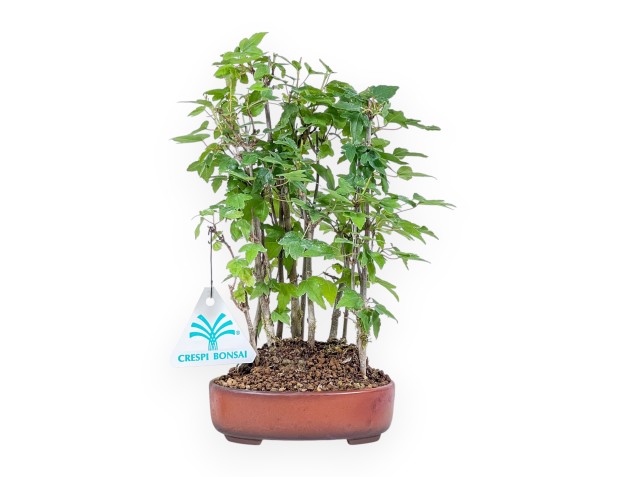
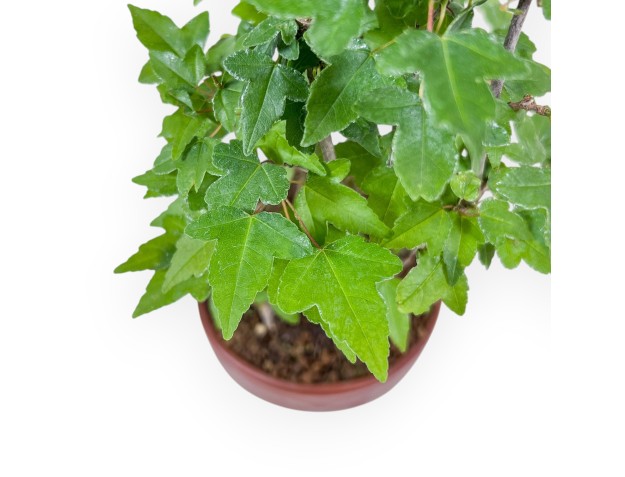
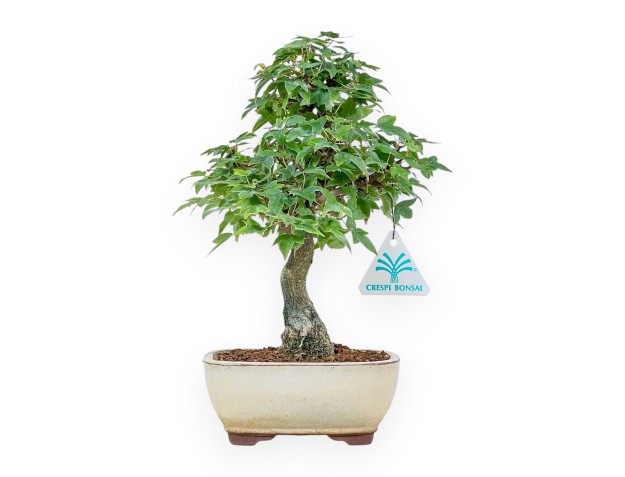
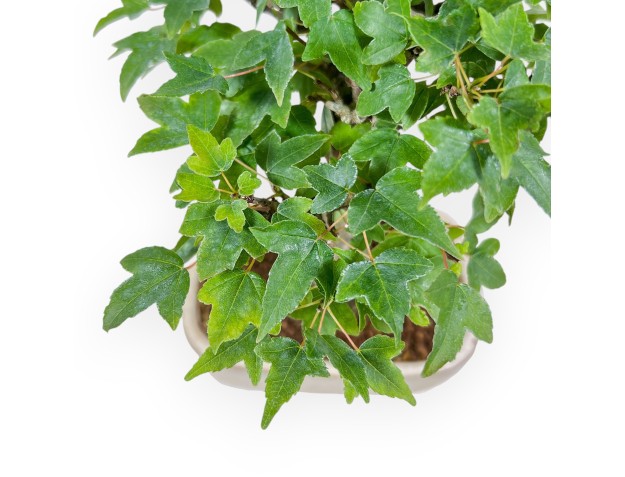
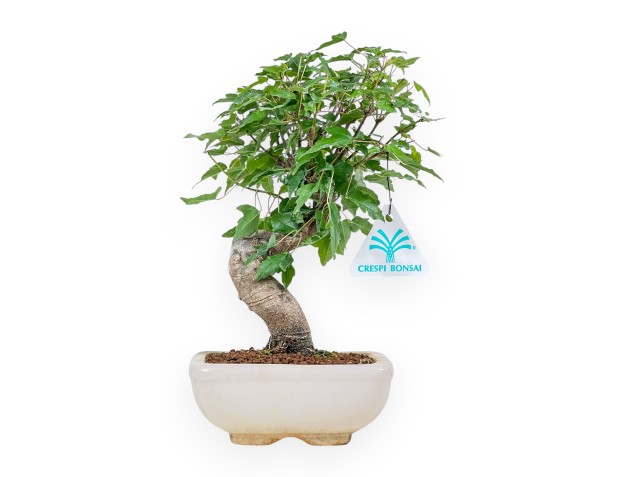
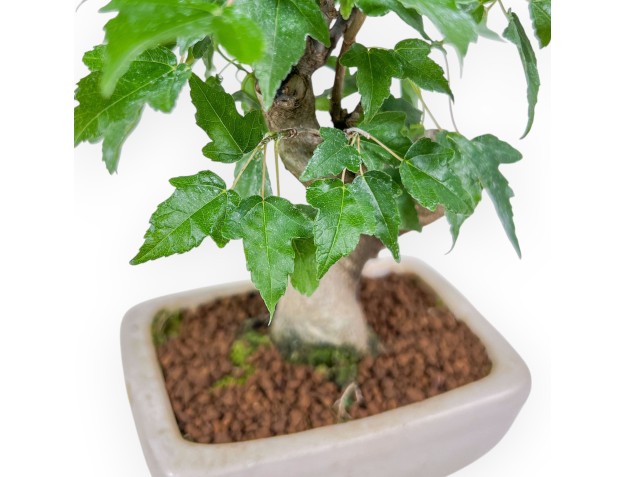
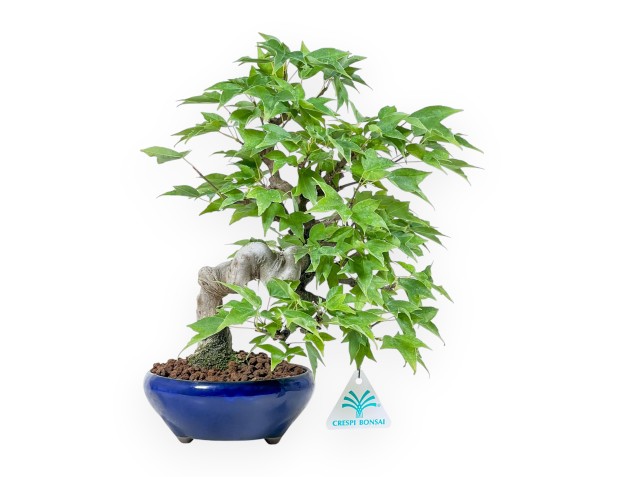
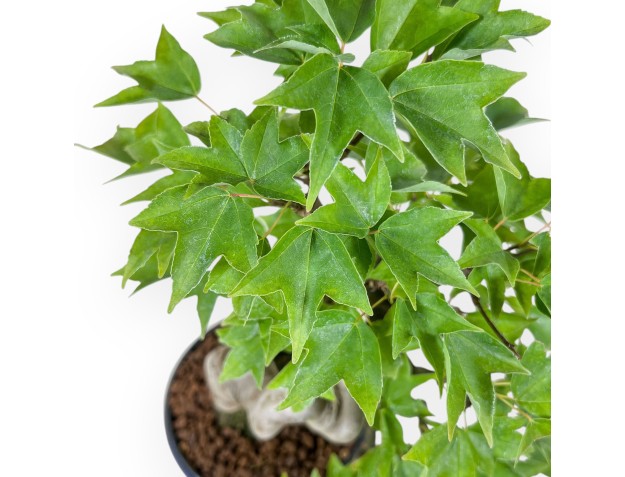
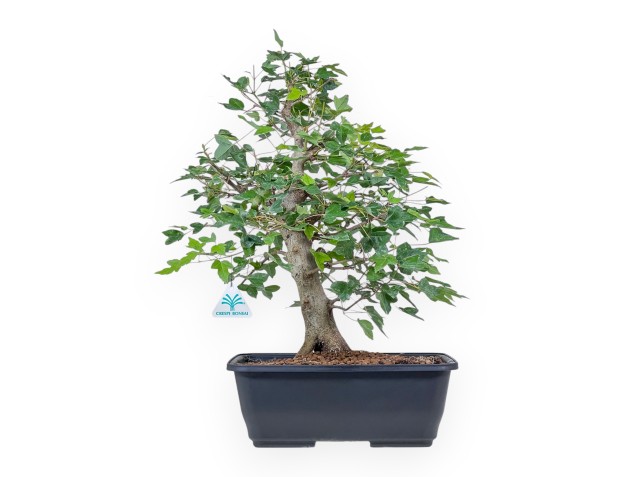
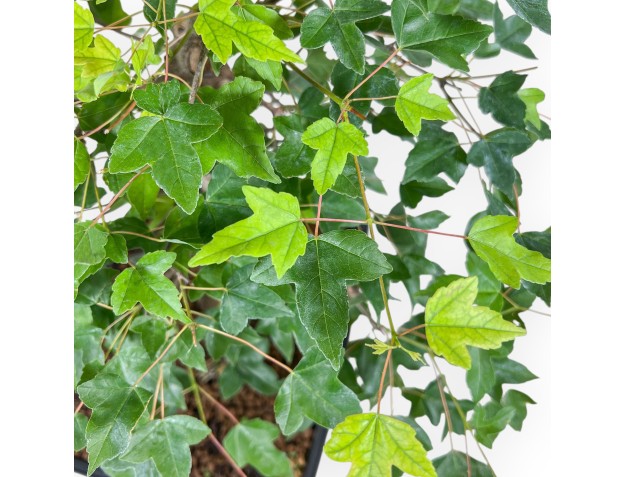
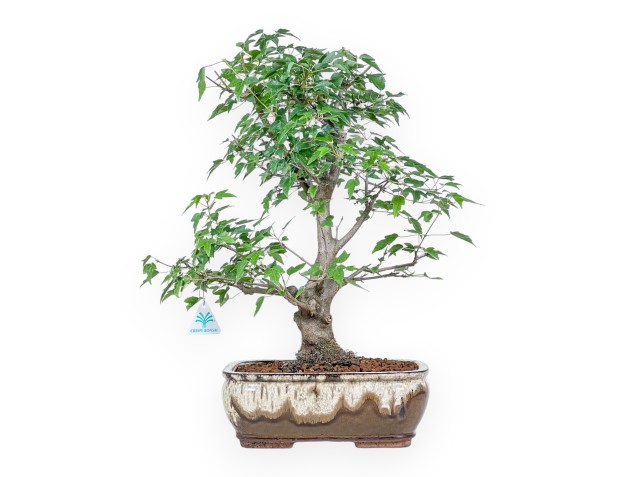
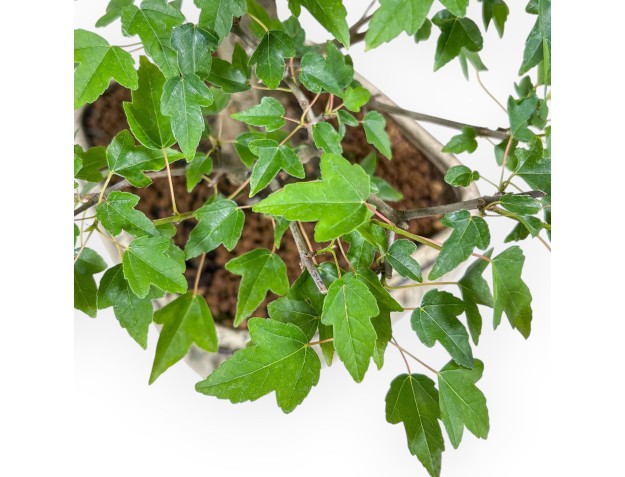
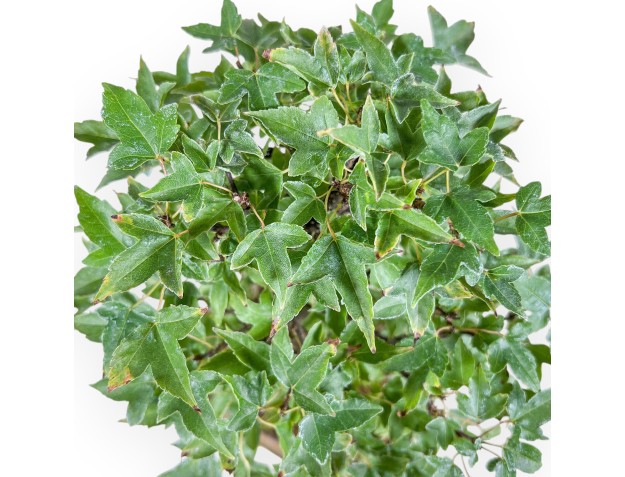
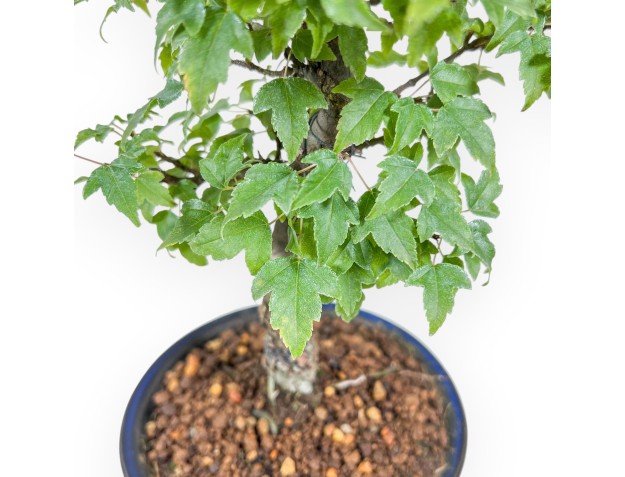
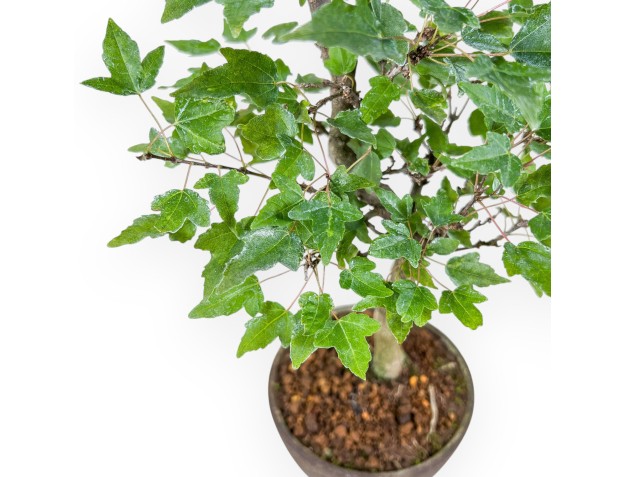
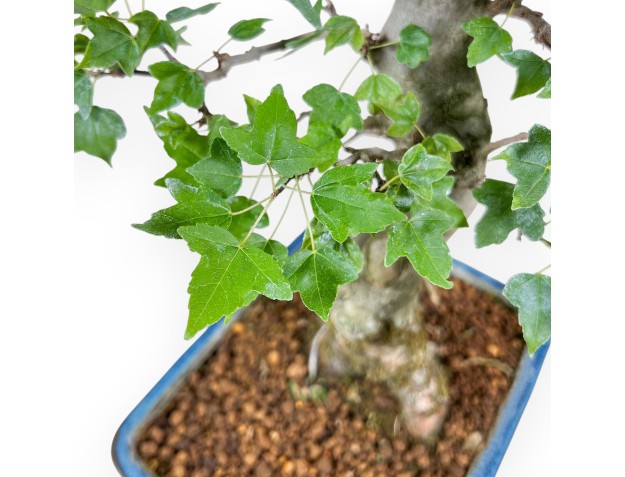
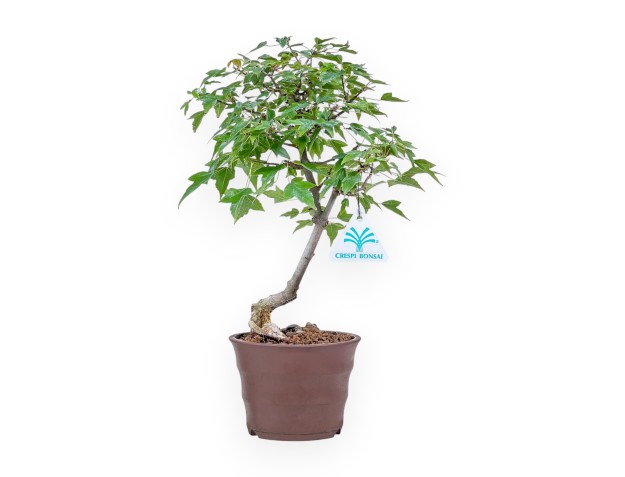
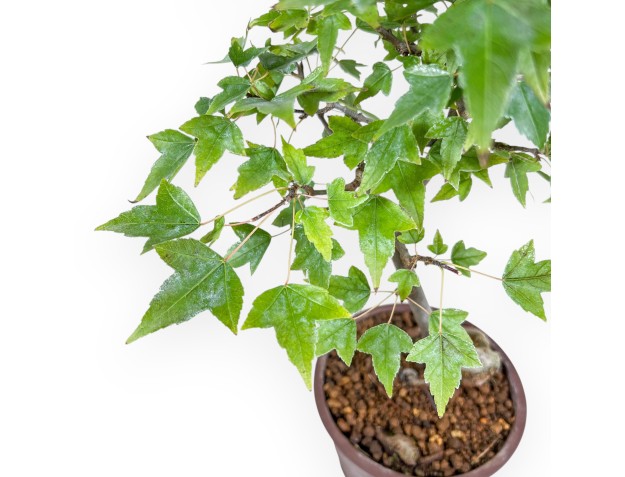
Its Japanese name “Kaede”, means “toad's hand”, and indeed its characteristic trident-shaped leaves resemble the webbed feet of a toad. With its upright trunk and light brown bark, which peels as it ages, this plant is particularly striking in autumn, when its leaves turn bright orange. It is quite suitable for forest cultivation because it has narrow internodes. It is a robust species, generally able to withstand both cold and heat. It is long-lived as a bonsai species, easy to shape, and responds well to cultivation techniques.

As already mentioned, this plant is quite resistant to both heat and cold. However, in order not to damage its beautiful foliage, it is best to protect it from the most intense summer sun, while it should not be removed from full sun exposure in autumn, as this intensifies the color of the foliage. In winter, although it tolerates low temperatures well, it is best to protect the root system from frost, especially when grown in very shallow pots or with exposed roots.

The common rule of watering whenever the soil feels dry to the touch is also ideal for maple trees, bearing in mind, however, that during hotter periods and in strong winds, more frequent watering is required. In fact, in these cases, the soil often risks becoming completely dry. It is also important to bear in mind that both a lack of water and excess water can cause serious damage to the plant. More specifically, a lack of water causes the leaves to wilt and stunted growth, while excess water causes the tips of the leaves to turn black.

Every two years for young maples, every 3-4 years for mature trees. This should be done in spring when the buds begin to swell, but before the leaves appear. The ideal mixture is 60% akadama + 30% ready-to-use soil + 10% pozzolana.

The best time to selectively prune maple branches is during the fall when the leaves fall (about 15-20 days), as it is easier to see the complete structure of the tree and there is no risk of sap loss since the plant is dormant. Pruning can also be done when the plant starts growing again, but with less success. They should never be pruned in winter because sap flows in maple trees even when there are no leaves. Large branches in particular should not be pruned during the growing season. Even the application of healing paste would not stop the sap from flowing. As for thinning pruning, it is important to bear in mind that maple buds appear in pairs, one on each side of the branch. By selecting the buds and pruning the branches appropriately, the new shoots will follow the direction of the chosen bud. Following a good pattern, based on the direction of the main branch, the secondary and tertiary branches should not cross, but form a dense and complete horizontal network.

Work is carried out on already formed specimens in spring to prevent the spread of new shoots. Pruning should continue throughout the growing season. For specimens still in formation, the defoliation technique is used, approximately every 2 years in May/June, removing all or part of the leaves but keeping the petiole, in order to increase finer branching.

It should be noted that due to the delicate bark of the maple, shaping is mainly achieved through pruning, so wrapping should only be applied when absolutely necessary, during the period of least activity, to avoid damaging the elegant bark. Due to the rapid growth rate of this species, the wire should never remain in place for more than two to three months.

From April to early July, apply Bonsan Organic Liquid Fertilizer together with Bonsan Stimulating Fertilizer every 15 days, or Bonsan Hanagokoro Organic Solid Fertilizer plus Bonsan Stimulating Fertilizer once a month. From the end of August to October, fertilize every 15 days with Bonsan Organic Liquid Fertilizer or Bonsan Hanagokoro Organic Solid Fertilizer. Twice a year (in autumn and at the end of winter), apply Bonsan Hanagokoro Organic Solid Fertilizer; 3-4 times a year, it is also advisable to use Bonsan Mineral Curative Solution. To stimulate rooting, use Bonsan Organic Mineral Fluid Fertilizer with B vitamins instead of Bonsan Organic Liquid Fertilizer.

The pathogens most commonly found on this species are aphids, red spider mites, and powdery mildew. Attacks generally occur between spring and early fall. In the case of aphids, apply a specific aphicide every 10 days, carrying out at least 3 treatments. To prevent the formation of red spider mites, it is advisable to keep the plant in a well-ventilated environment: in the event of an attack, treat with an acaricide.

Advice on:
Location

As already mentioned, this plant is quite resistant to both heat and cold. However, in order not to damage its beautiful foliage, it is best to protect it from the most intense summer sun, while it should not be removed from full sun exposure in autumn, as this intensifies the color of the foliage. In winter, although it tolerates low temperatures well, it is best to protect the root system from frost, especially when grown in very shallow pots or with exposed roots.

Watering

The common rule of watering whenever the soil feels dry to the touch is also ideal for maple trees, bearing in mind, however, that during hotter periods and in strong winds, more frequent watering is required. In fact, in these cases, the soil often risks becoming completely dry. It is also important to bear in mind that both a lack of water and excess water can cause serious damage to the plant. More specifically, a lack of water causes the leaves to wilt and stunted growth, while excess water causes the tips of the leaves to turn black.
Repotting

Every two years for young maples, every 3-4 years for mature trees. This should be done in spring when the buds begin to swell, but before the leaves appear. The ideal mixture is 60% akadama + 30% ready-to-use soil + 10% pozzolana.

Pruning

The best time to selectively prune maple branches is during the fall when the leaves fall (about 15-20 days), as it is easier to see the complete structure of the tree and there is no risk of sap loss since the plant is dormant. Pruning can also be done when the plant starts growing again, but with less success. They should never be pruned in winter because sap flows in maple trees even when there are no leaves. Large branches in particular should not be pruned during the growing season. Even the application of healing paste would not stop the sap from flowing. As for thinning pruning, it is important to bear in mind that maple buds appear in pairs, one on each side of the branch. By selecting the buds and pruning the branches appropriately, the new shoots will follow the direction of the chosen bud. Following a good pattern, based on the direction of the main branch, the secondary and tertiary branches should not cross, but form a dense and complete horizontal network.

Pinching

Work is carried out on already formed specimens in spring to prevent the spread of new shoots. Pruning should continue throughout the growing season. For specimens still in formation, the defoliation technique is used, approximately every 2 years in May/June, removing all or part of the leaves but keeping the petiole, in order to increase finer branching.

Wiring

It should be noted that due to the delicate bark of the maple, shaping is mainly achieved through pruning, so wrapping should only be applied when absolutely necessary, during the period of least activity, to avoid damaging the elegant bark. Due to the rapid growth rate of this species, the wire should never remain in place for more than two to three months.

Fertilization

From April to early July, apply Bonsan Organic Liquid Fertilizer together with Bonsan Stimulating Fertilizer every 15 days, or Bonsan Hanagokoro Organic Solid Fertilizer plus Bonsan Stimulating Fertilizer once a month. From the end of August to October, fertilize every 15 days with Bonsan Organic Liquid Fertilizer or Bonsan Hanagokoro Organic Solid Fertilizer. Twice a year (in autumn and at the end of winter), apply Bonsan Hanagokoro Organic Solid Fertilizer; 3-4 times a year, it is also advisable to use Bonsan Mineral Curative Solution. To stimulate rooting, use Bonsan Organic Mineral Fluid Fertilizer with B vitamins instead of Bonsan Organic Liquid Fertilizer.

Care

The pathogens most commonly found on this species are aphids, red spider mites, and powdery mildew. Attacks generally occur between spring and early fall. In the case of aphids, apply a specific aphicide every 10 days, carrying out at least 3 treatments. To prevent the formation of red spider mites, it is advisable to keep the plant in a well-ventilated environment: in the event of an attack, treat with an acaricide.

Filter by
Categories
Price
Style
Origin
Height
Height without pot
Filter
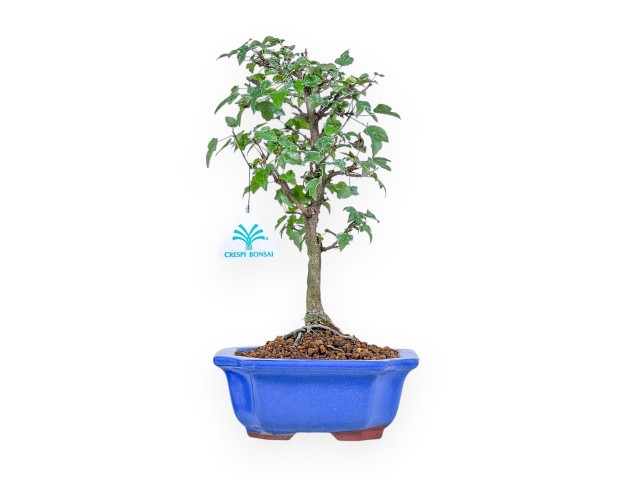
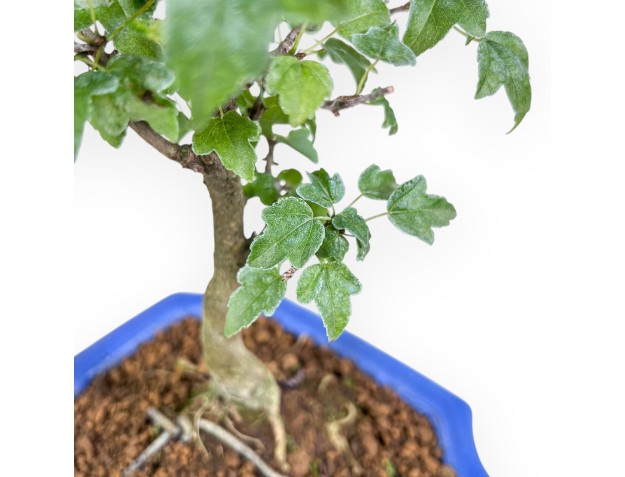
Acer Buergerianum - Maple - 25 cm Acer Buergerianum - Maple - 25 cm 2
Available
Shohin Bonsai

Acer Buergerianum - Maple - 25 cm

Acer buergerianum
Y01LPE-5847
€131.82
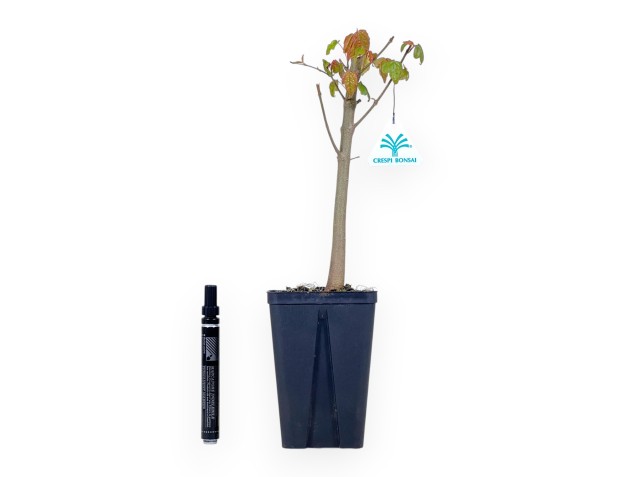
Shohin Appearance may change according to the seasons The bonsai is leafless in winter Height without pot: 17 cm Trunk: 1 cm Glazed stoneware pot: 8,5 x 8,5 x H 8 cm
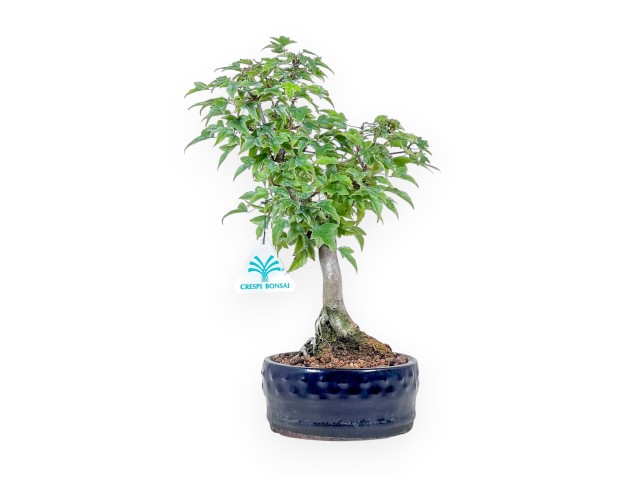
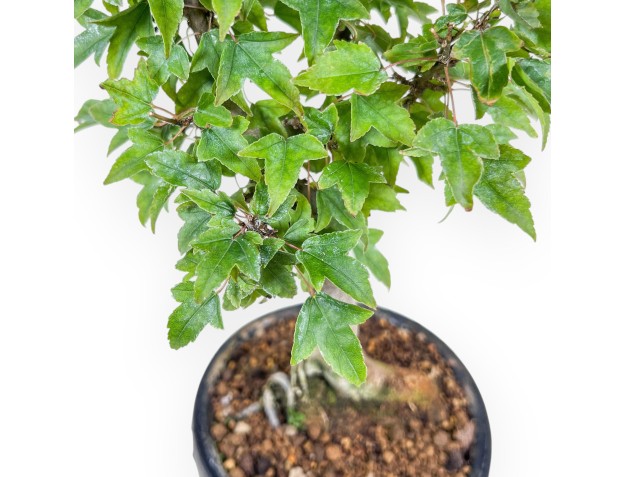
Acer buergerianum - maple - 39 cm Acer buergerianum - maple - 39 cm 2
Available
Bonsai with deciduous leaves

Acer buergerianum - maple - 39 cm

Acer buergerianum
Y01MNE-3511
€359.09
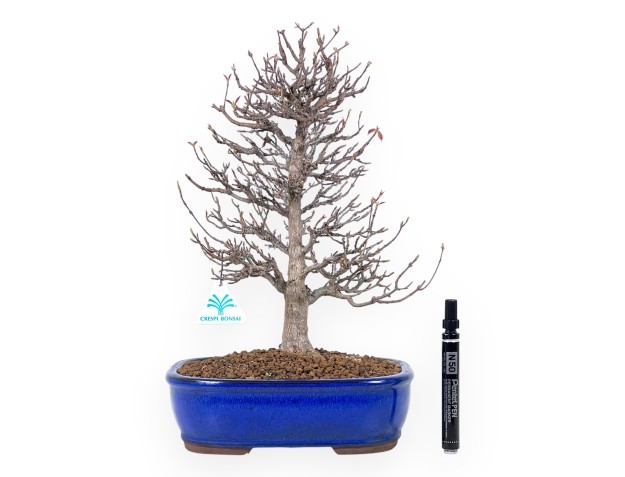
Appearance may change according to the seasonsThe bonsai is leafless in winterHeight without pot: 35 cmPot: 25 x 19 x 5 cm
Acer buergerianum - maple - 34 cm Acer buergerianum - maple - 34 cm 2
Available
Bonsai with deciduous leaves

Acer buergerianum - maple - 34 cm

Acer buergerianum
Y01MNE-3742
€359.09
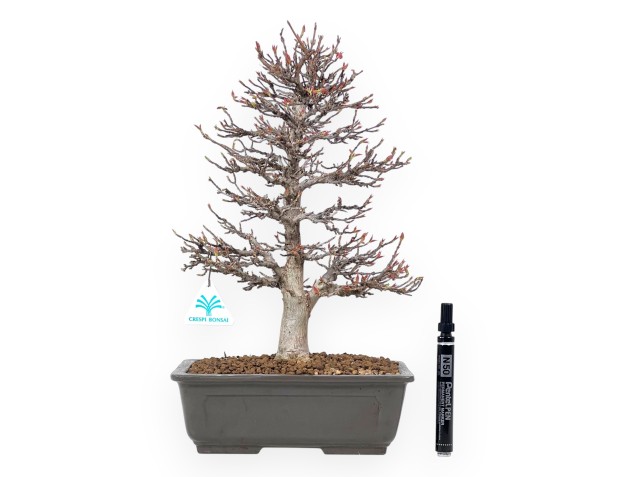
Appearance may vary according to the seasonsThe bonsai is leafless in winterHeight without pot: 30 cmTrunk: 2.5 cmNebari: 5 cmPot: 21 x 16.5 x 4 cm
Acer Buergerianum - Maple - 76 cm Acer Buergerianum - Maple - 76 cm 2
Available
Masterpiece Bonsai

Acer Buergerianum - Maple - 76 cm

Acer buergerianum
Y01MOII-5364
€3,454.55
Unique specimen Appearance may change according to the seasons The bonsai is leafless in winter Height without pot: 65 cm Unglazed stoneware pot: 45 x 33 x H 11 cm For courier delivery or more information contact us
Acer Buergerianum - Maple - 30 cm Acer Buergerianum - Maple - 30 cm 2
Available
Bonsai with deciduous leaves

Acer Buergerianum - Maple - 30 cm

Acer buergerianum
Y01ALII-5248
€1,909.09
Unique specimen Appearance may change according to the seasons The bonsai is leafless in winter Height without pot: 25 cm Trunk: 5 cm Nebari: 10 cm Unglazed stoneware pot: 20 x 15 x H 5,5 cm
Acer Buergerianum - Maple - 28 cm Acer Buergerianum - Maple - 28 cm 2
Available
Shohin Bonsai

Acer Buergerianum - Maple - 28 cm

Acer buergerianum
Y01LTE-5850
€150.00
Shohin Appearance may change according to the seasons The bonsai is leafless in winter Height without pot: 23 cm Trunk: 0,3-0,5 cm Glazed stoneware pot: 13,5 x 8,5 x H 5 cm
Acer Buergerianum - Maple - 33 cm Acer Buergerianum - Maple - 33 cm 2
Available
Bonsai with deciduous leaves

Acer Buergerianum - Maple - 33 cm

Acer buergerianum
Y01TEI-5247
€590.91
Unique specimen Appearance may change according to the seasons The bonsai is leafless in winter Height without pot: 26 cm Trunk: 4,5 cm Nebari: 9 cm Glazed stoneware pot: 20,5 x 15,5 x H 7 cm
Acer Buergerianum - Maple - 84 cm Acer Buergerianum - Maple - 84 cm 2
Available
Masterpiece Bonsai

Acer Buergerianum - Maple - 84 cm

Acer buergerianum
Y01MEII-5371
€3,181.82
Unique specimen Appearance may change according to the seasons The bonsai is leafless in winter Height without pot: 76 cm Nebari: 26 cm Trunk: 5 cm Glazed stoneware pot: 41.5 x 32 x H 8 cm For courier delivery or more information contact us
Acer Buergerianum - Maple - 39 cm Acer Buergerianum - Maple - 39 cm 2
Available
Bonsai with deciduous leaves

Acer Buergerianum - Maple - 39 cm

Acer buergerianum
Y01LME-5227
€122.73
Appearance may change according to the seasons The bonsai is leafless in winter Height without pot: 34 cm Trunk: 1,5 cm Nebari: 3 cm Pot: 15,5 x 11,5 x H 5 cm
Product added to wishlist