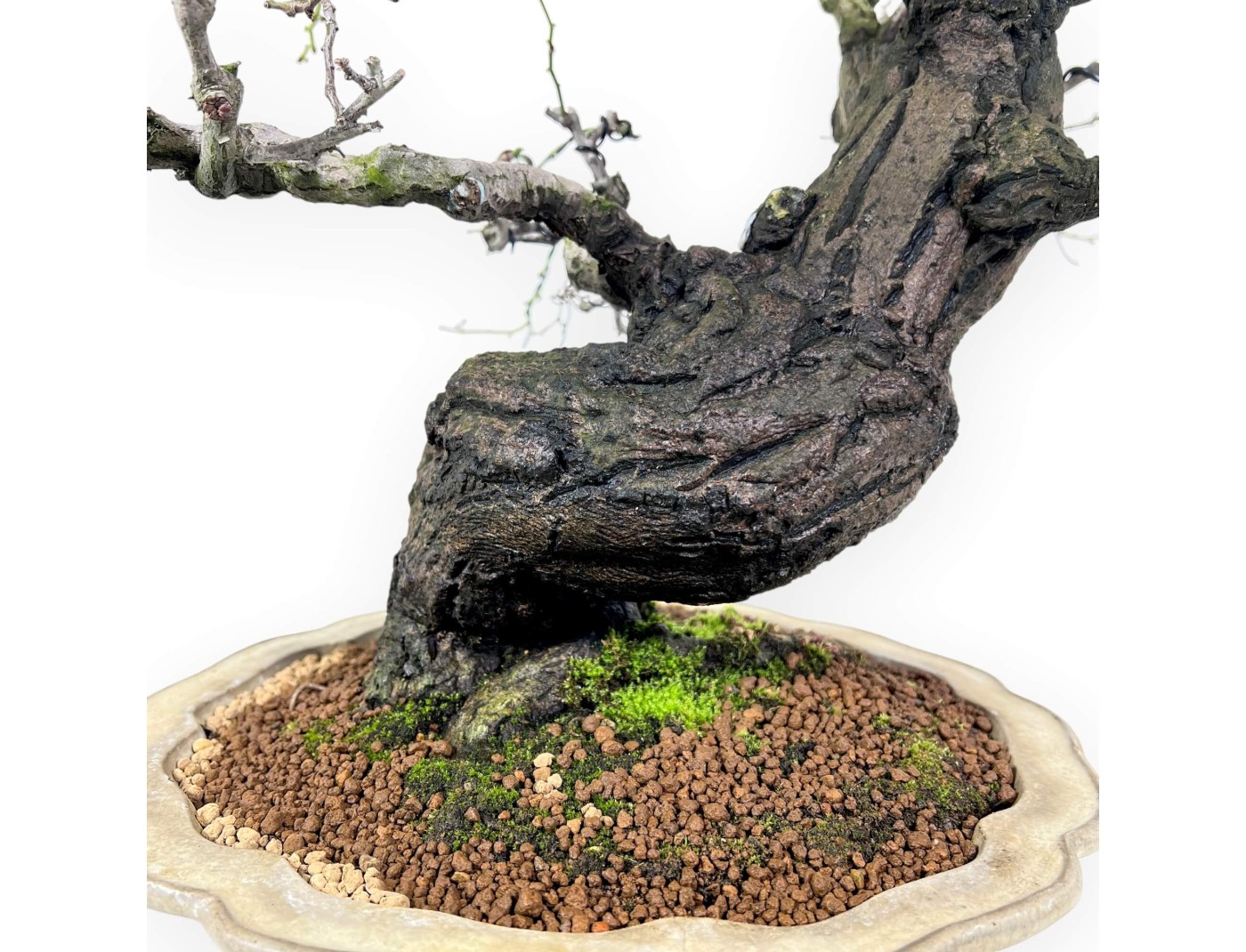
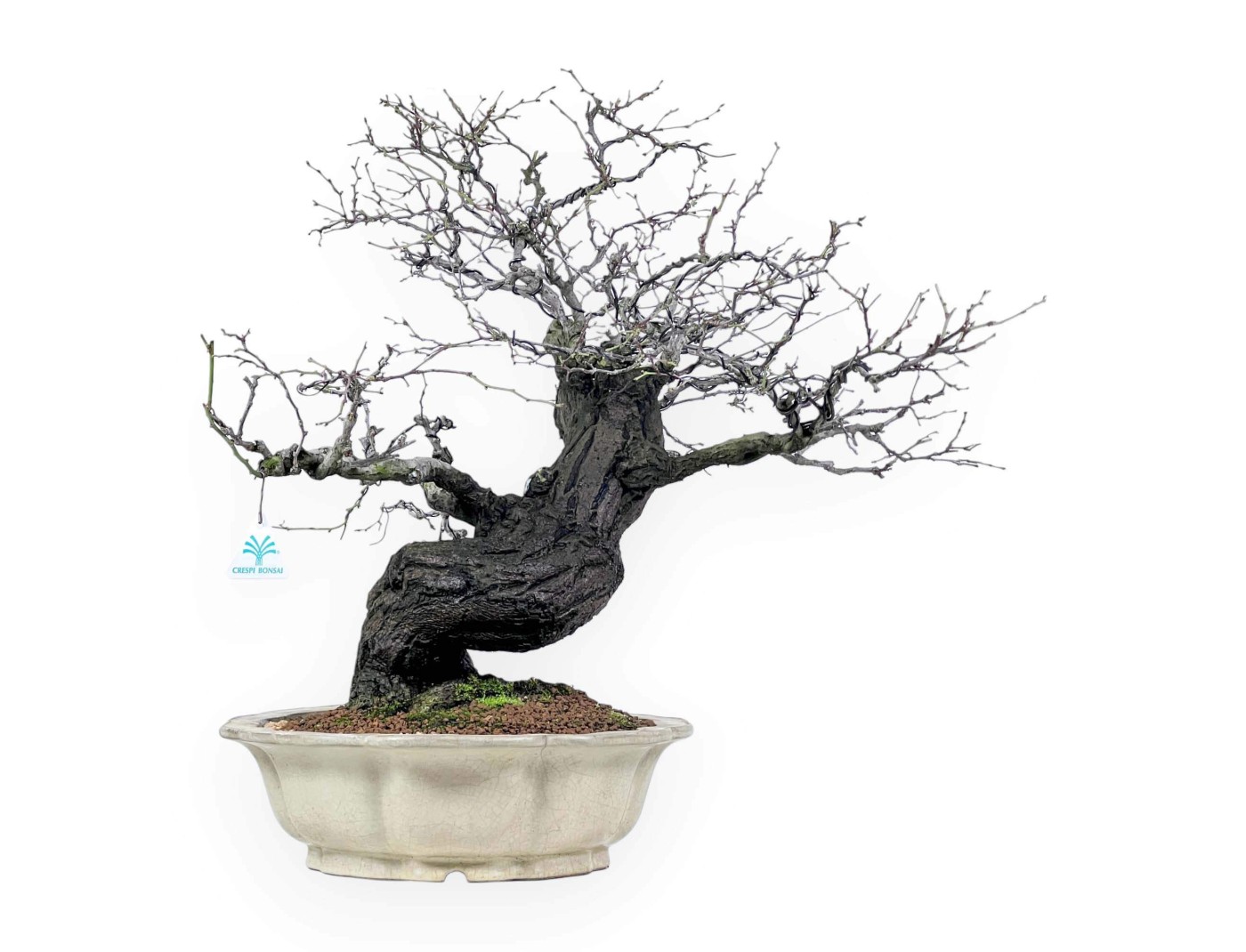
Celastrus orbiculatus - Oriental bittersweet - 57 cm
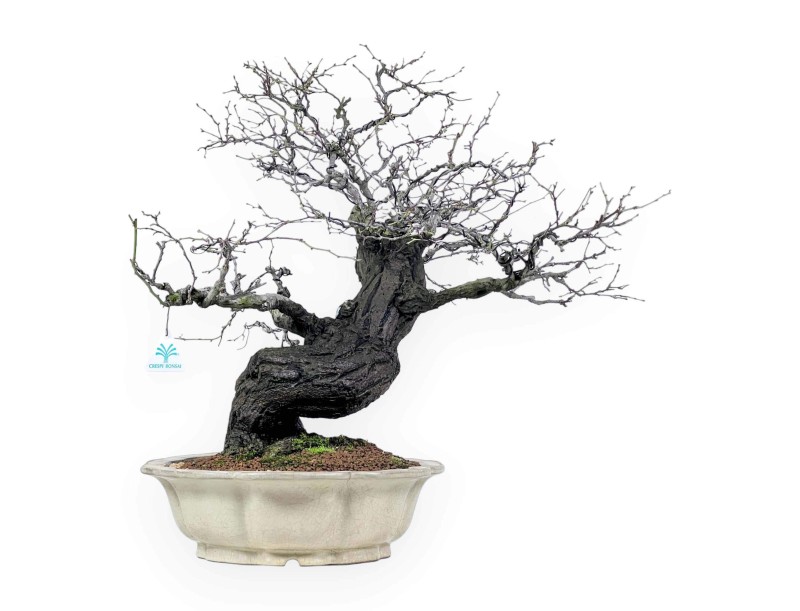
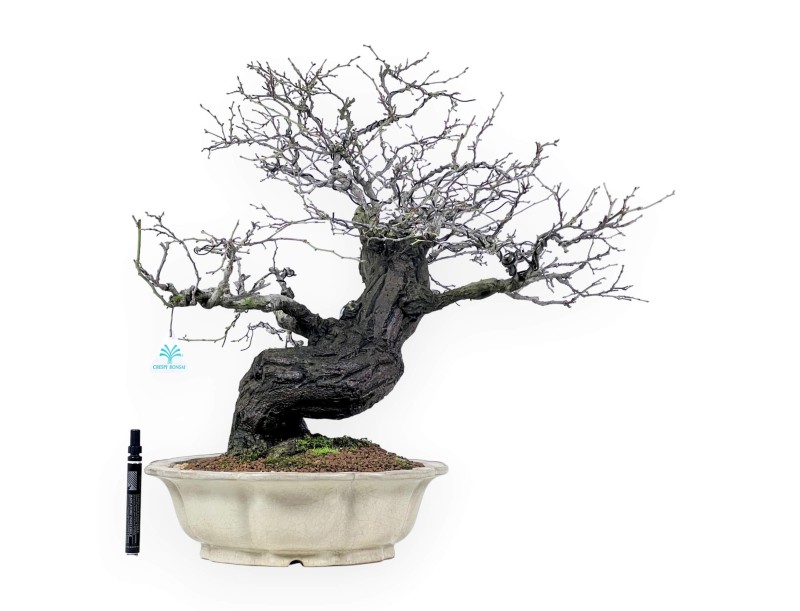
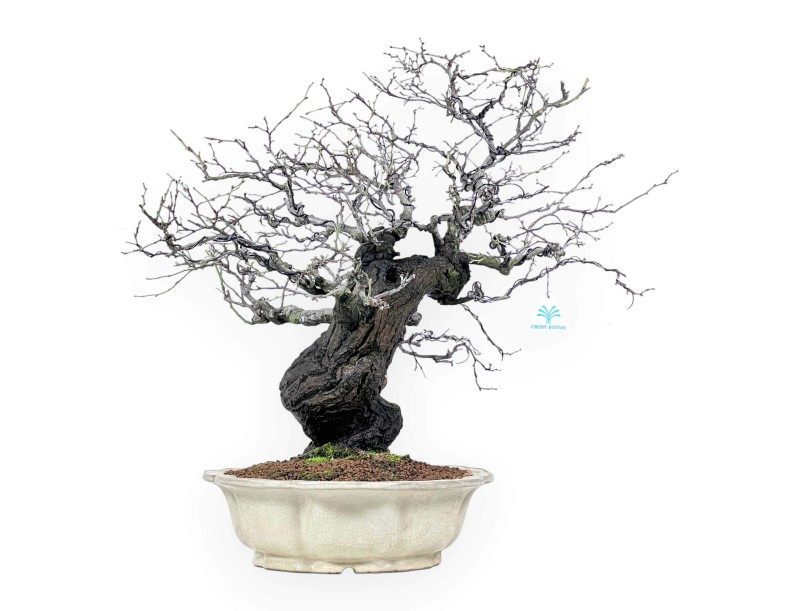
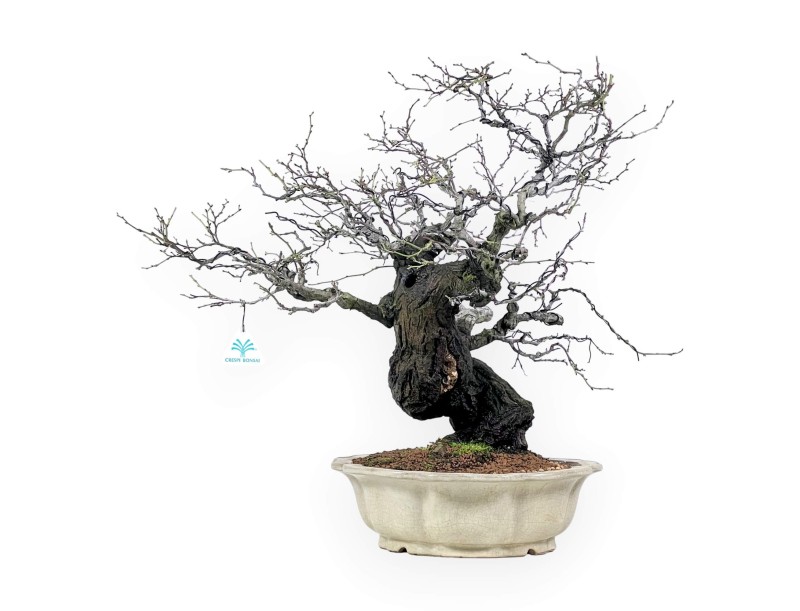
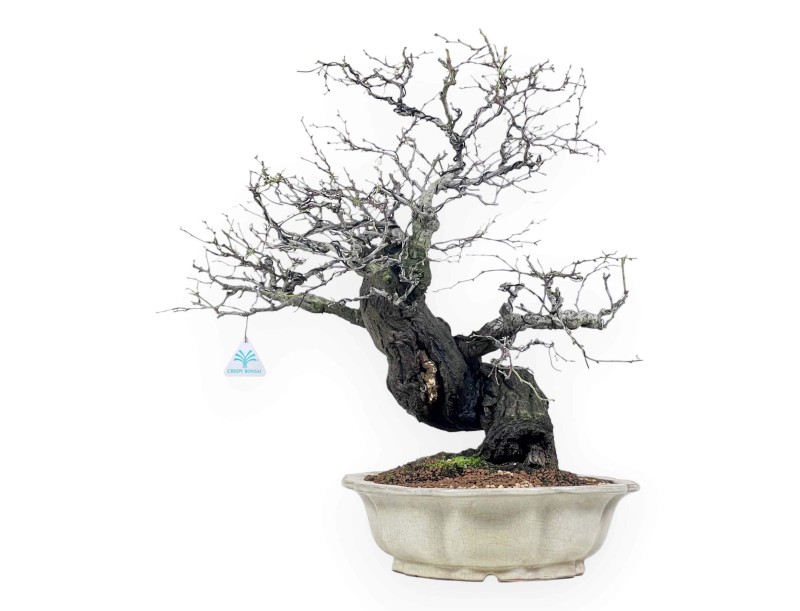
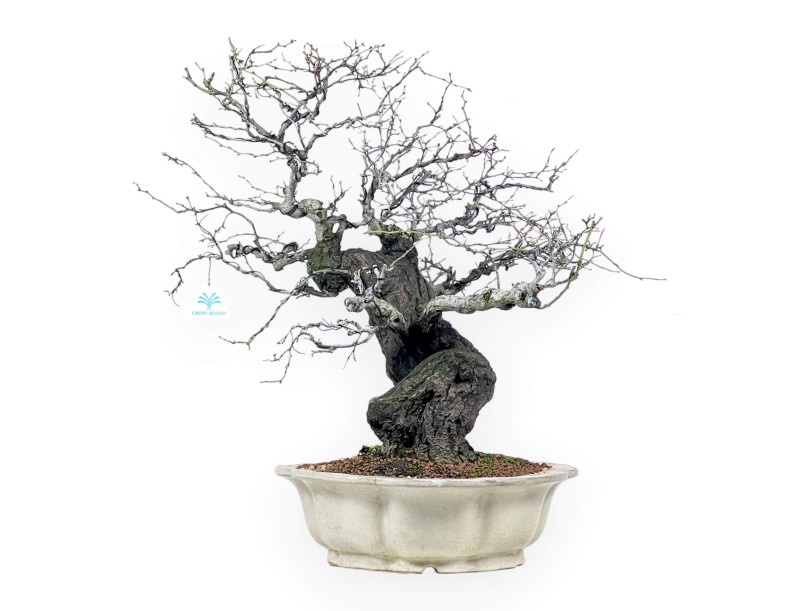
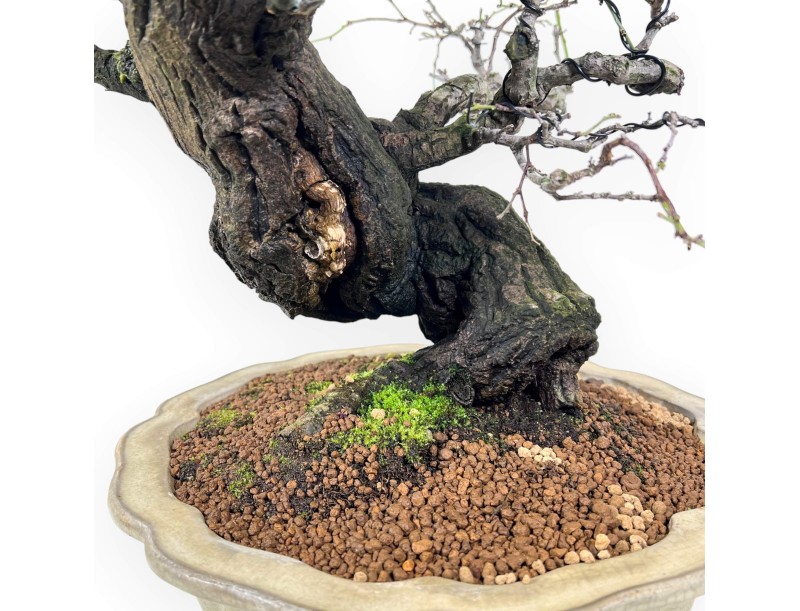
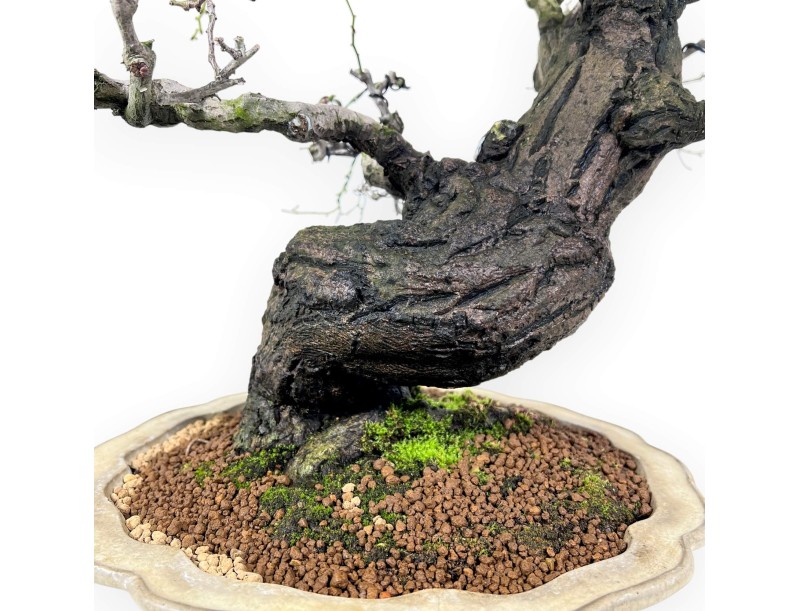
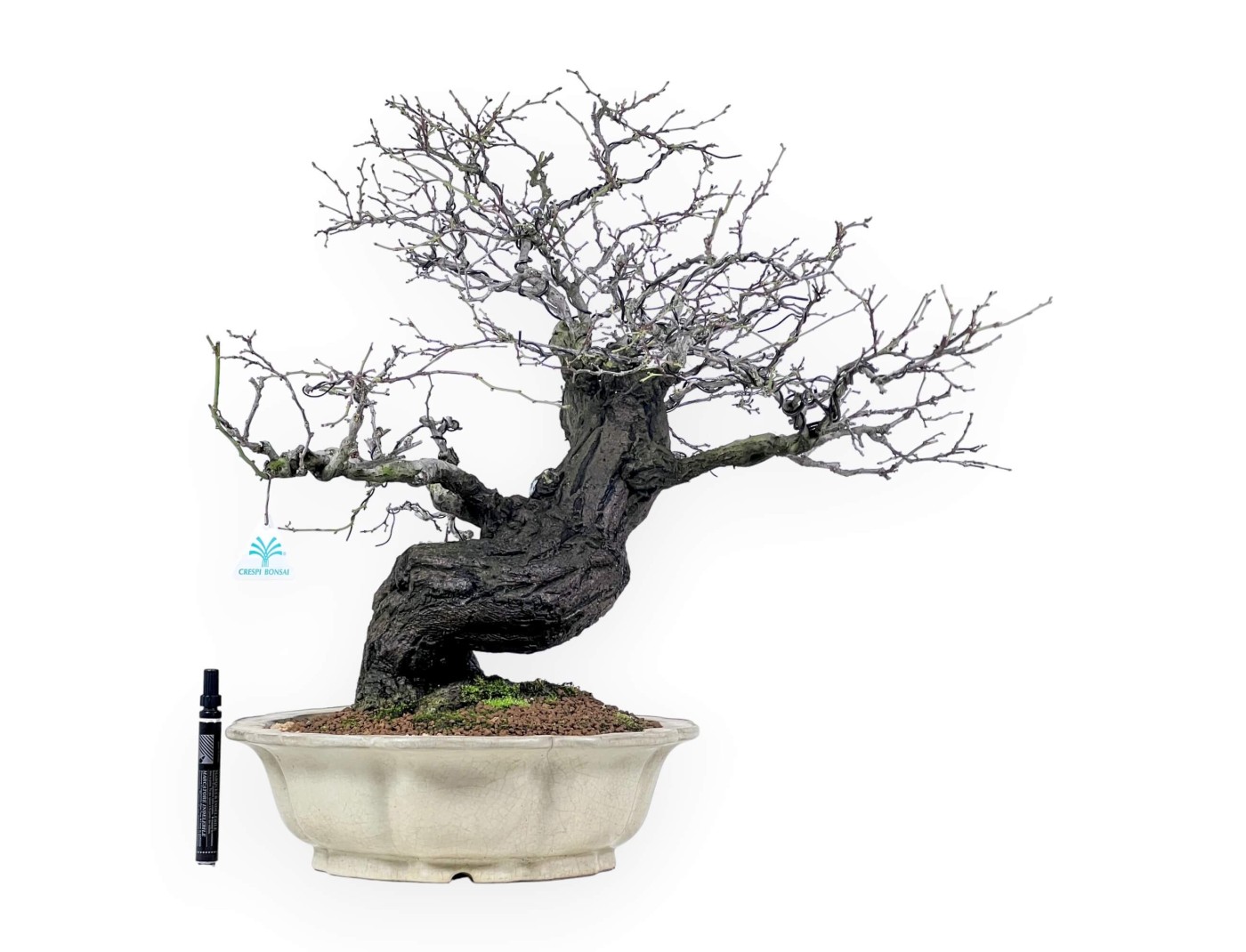
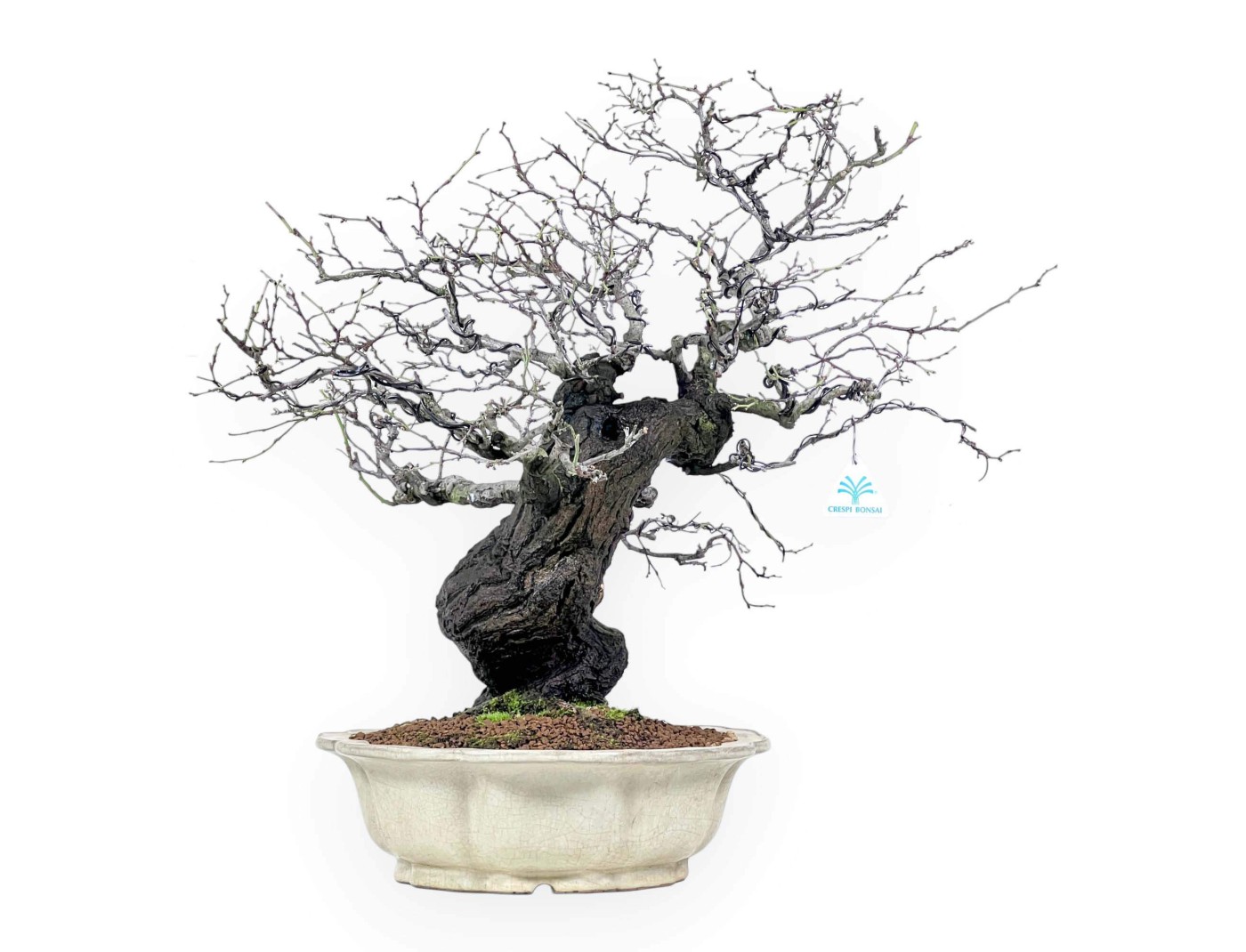
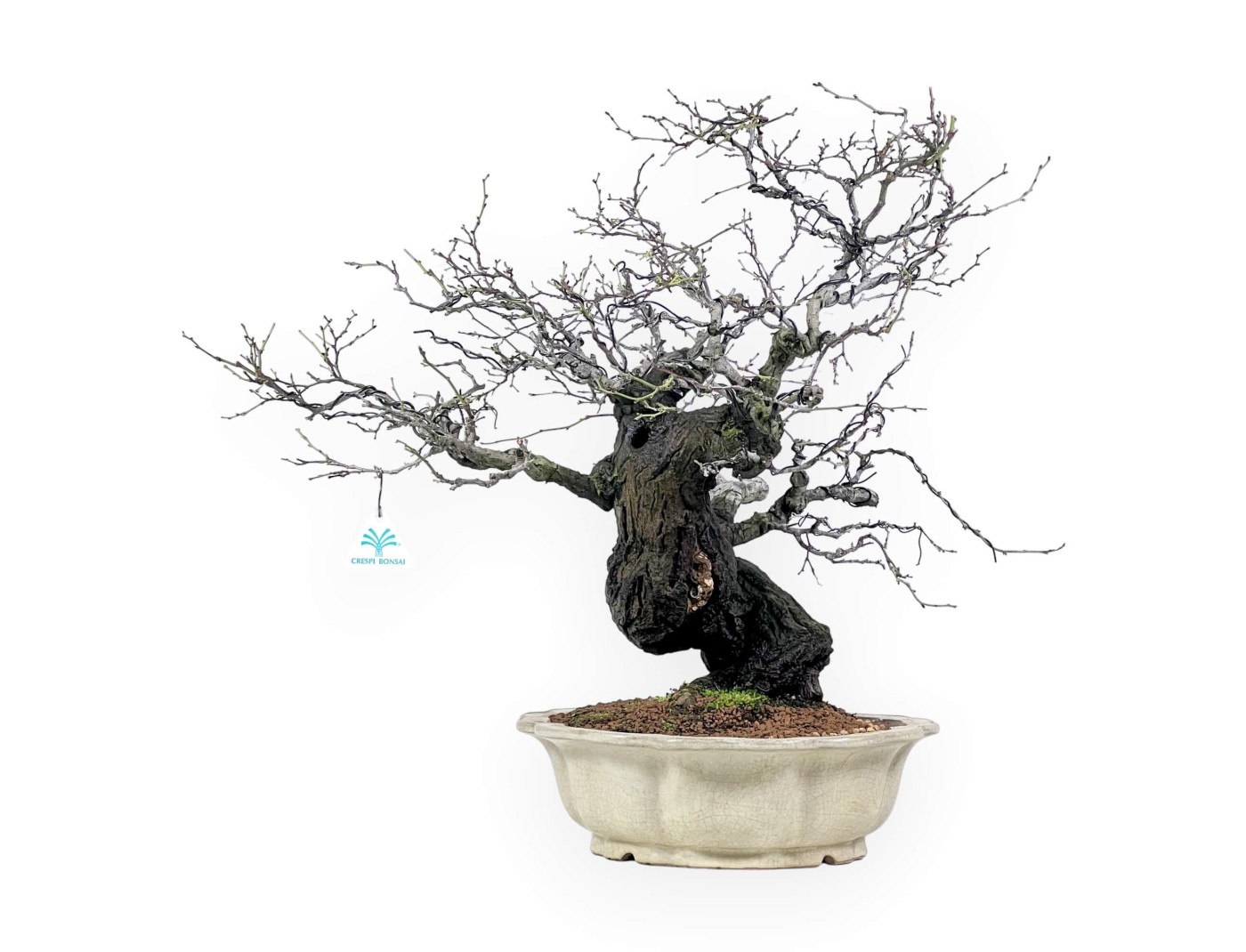
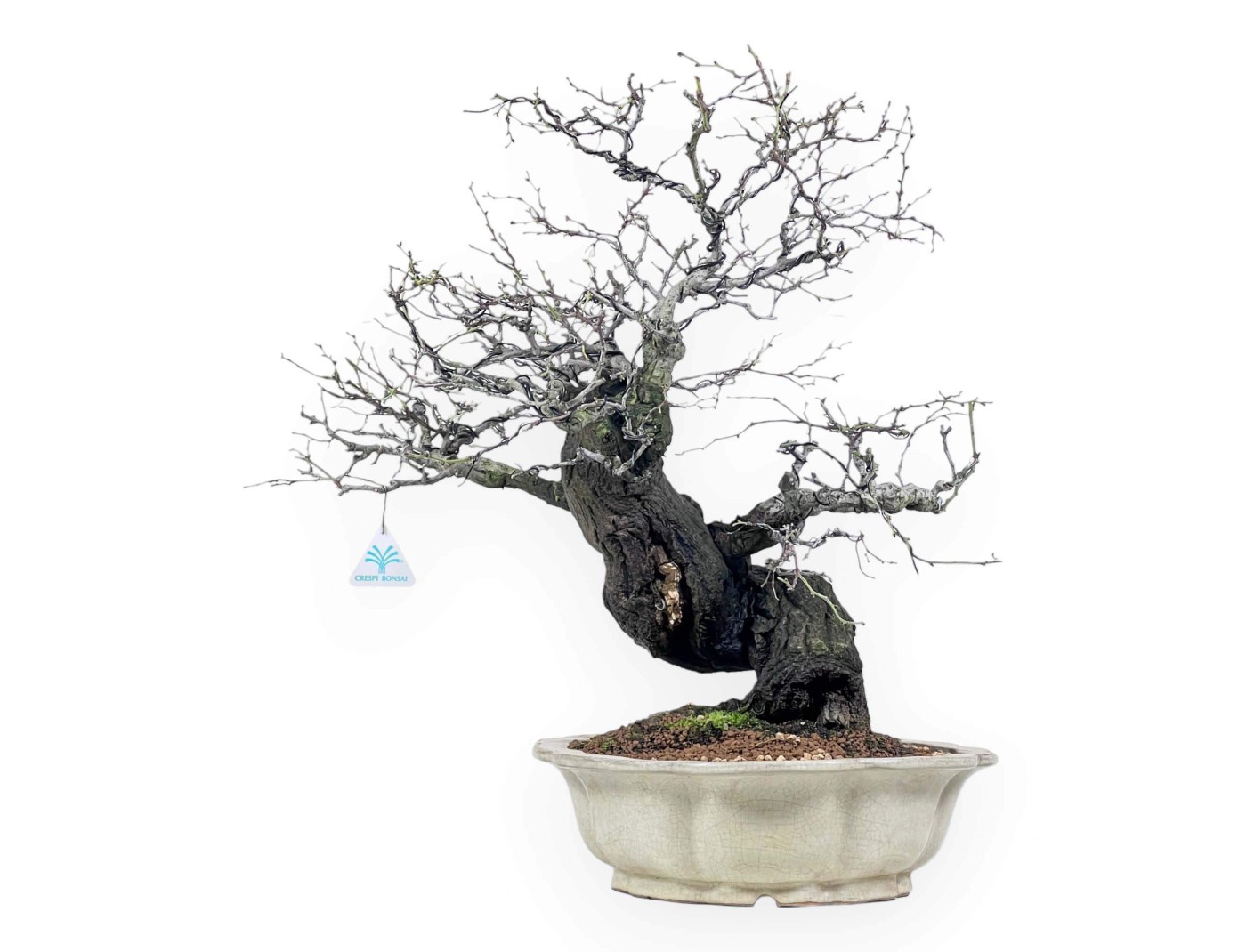
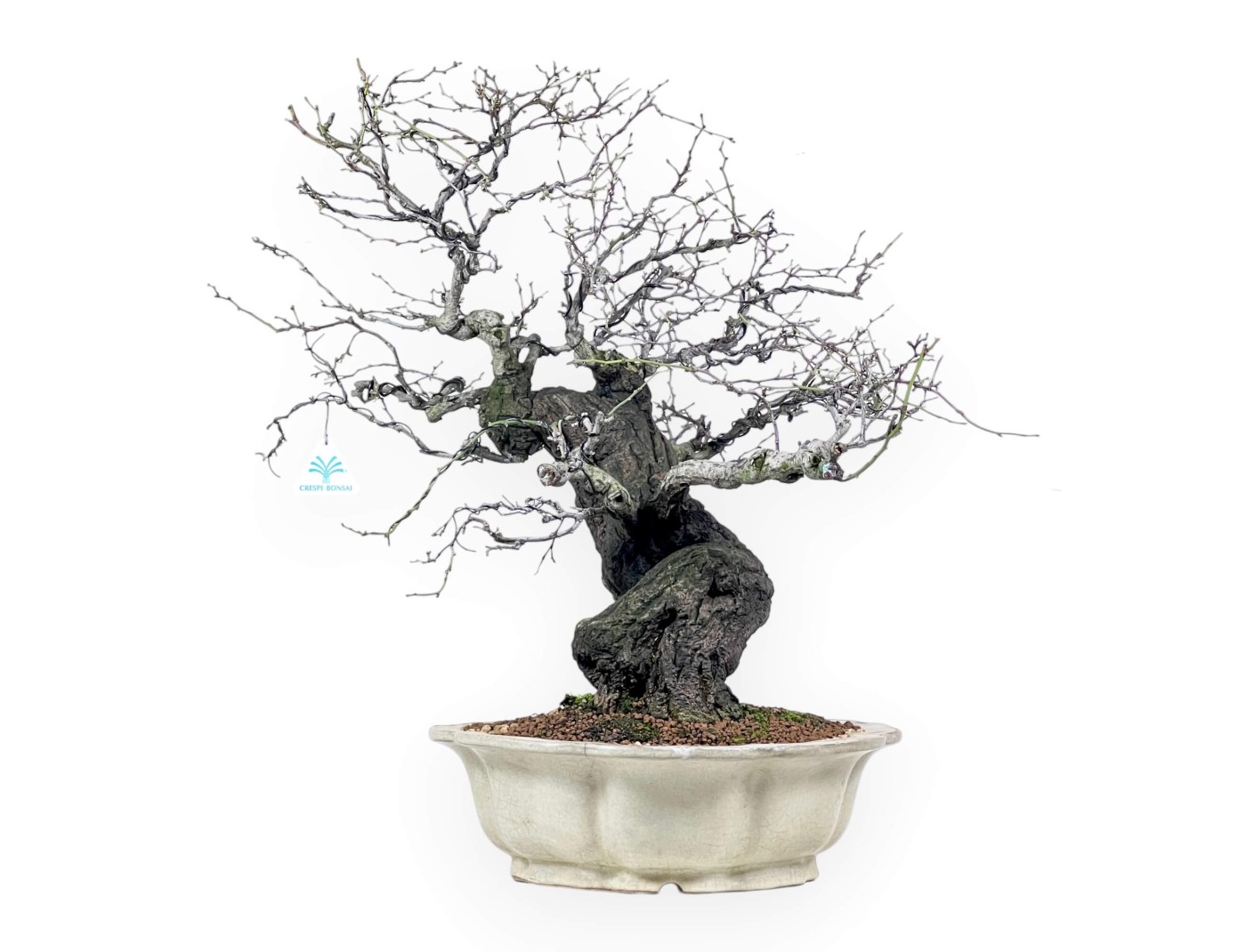
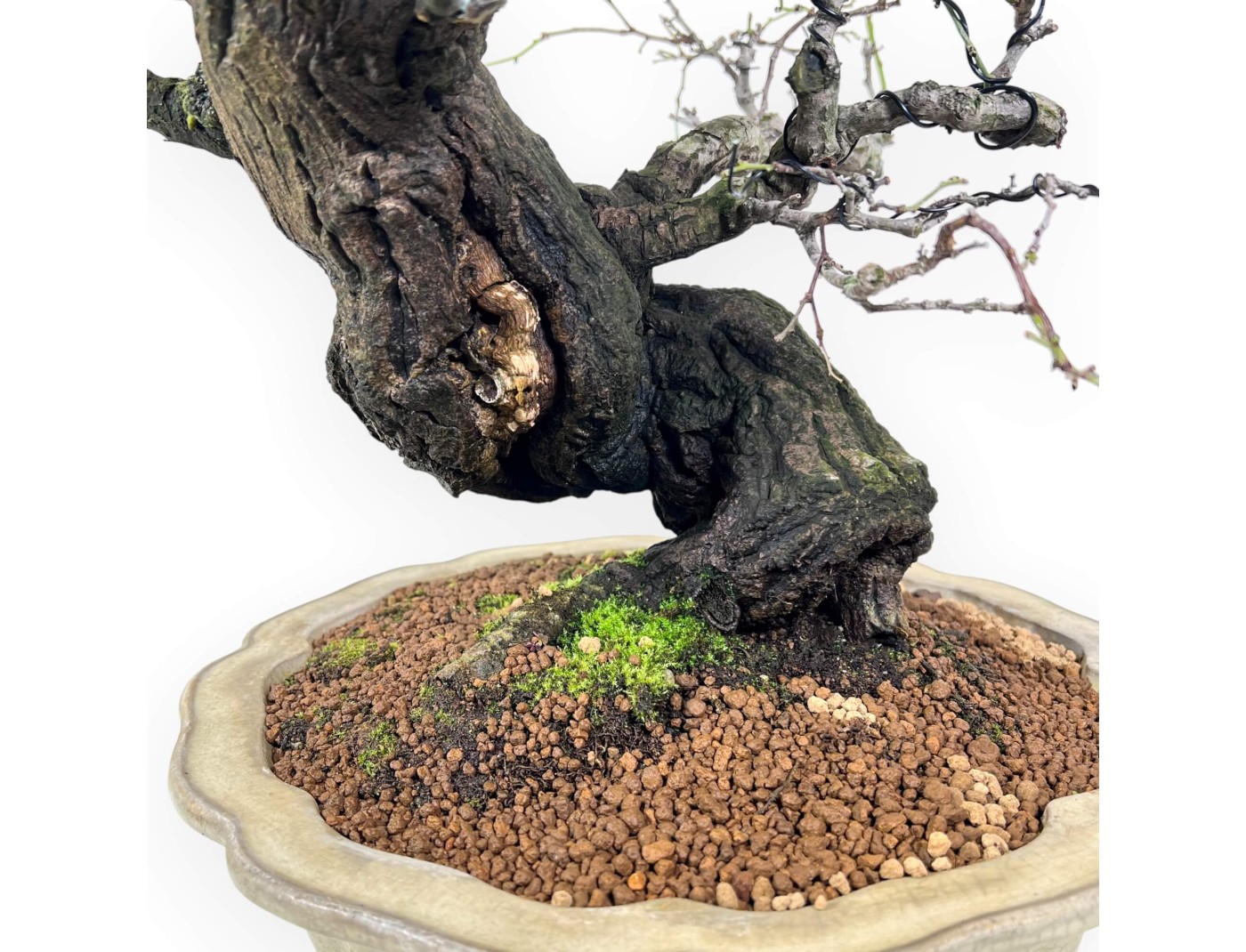
Unique specimen Celastrus bonsai characterized by its height without pot of 47 cm, a trunk size of 7 cm and nebari of 17 cm. The plant is grown in a lotus flower shape pot in glazed stoneware whose dimensions are Ø32xH10 cm.
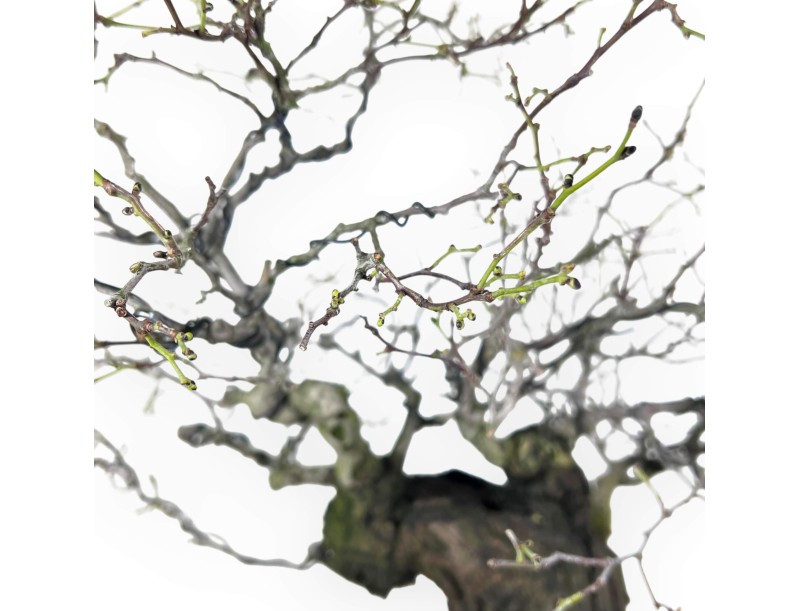
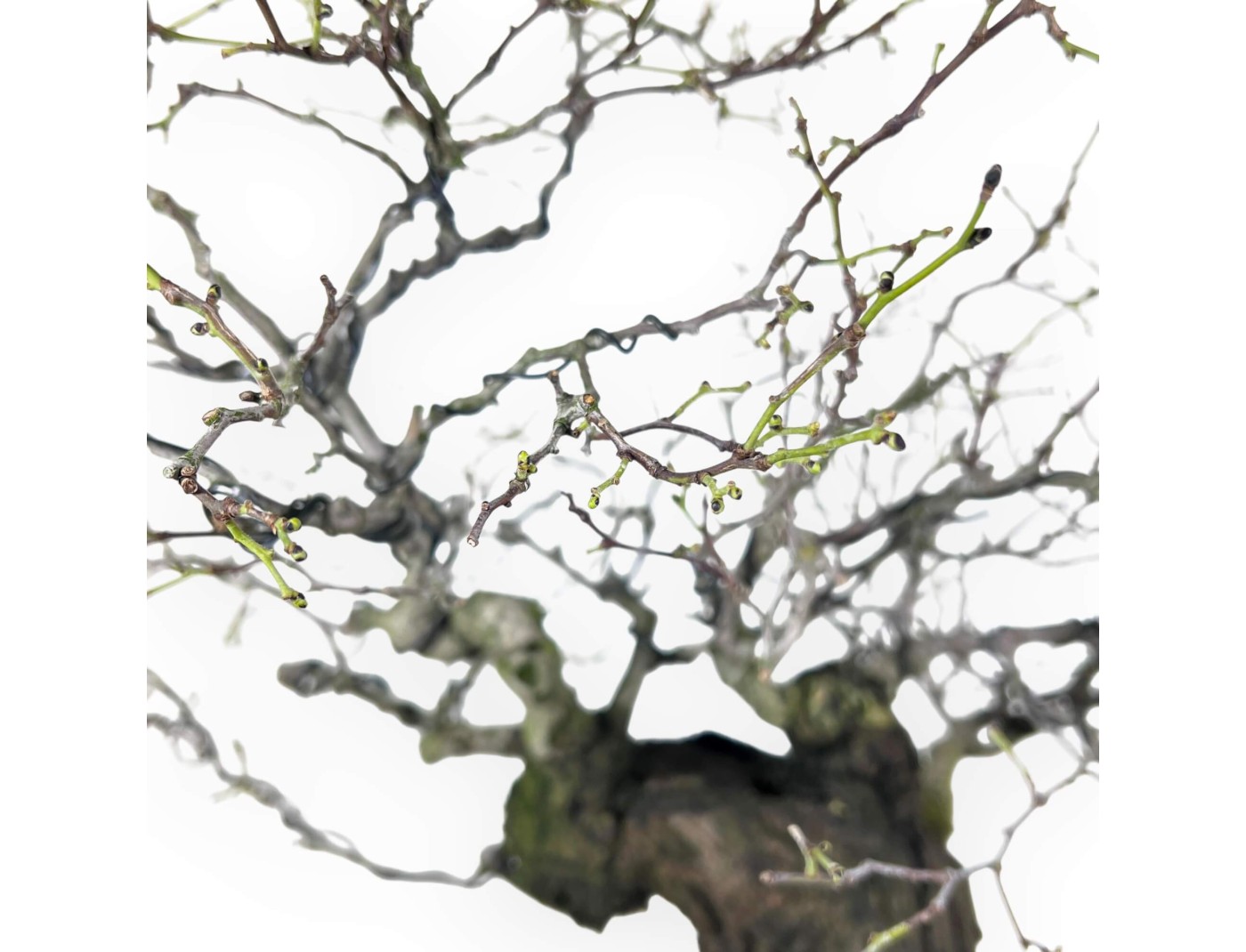
Unique specimen bonsai of Celastrus orbiculatus (Oriental bittersweet) belongs to the deciduous fruiting variety, prized for its deep orange autumn fruits that persist for a long time on bare branches. In spring it is prized for its small clusters of greenish-yellow flowers. It is a dioecious plant, so there are male and female specimens: female plants are characterized by the production of orange berries, but fruiting requires the presence of at least one male in the vicinity for pollination. The green foliage turns orange-yellow in autumn and sheds its leaves in winter. It has a well-formed, very sinuous trunk, rich in movement and with mature bark that conveys solidity and naturalness. The wide, well-anchored nebari, with its striking visual presence, provides stability. Cultivated in a lotus flower cream glazed stoneware pot, with harmonious lines, it brings out the color of the leaves and perfectly matches the refined look of the bonsai.
Grow bonsai outdoors all year round, taking care to place it in a sheltered spot in summer in warmer climates and in winter when there is frost or cold winds.
Always respect the dry and wet cycles: whenever the soil feels dry to the touch, water abundantly. Then wait for the soil to dry before watering again in the same way.
Discover the right products
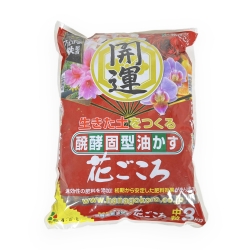
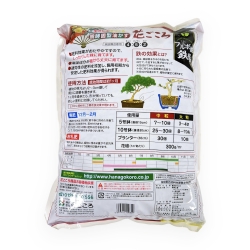
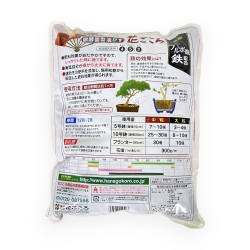
Apply fertilizer from spring to fall, avoiding the hottest months of July/August. Use an organic, liquid or solid fertilizer.
Discover the right products
We recommend repotting every 2-3 years, in the spring before the growing season begins. You can use a mixture of equal parts akadama and pumice.
Discover the right products
The best way to
the Celastrus
The best way to
the Celastrus
The best way to
the Celastrus