Error!

Forsythia

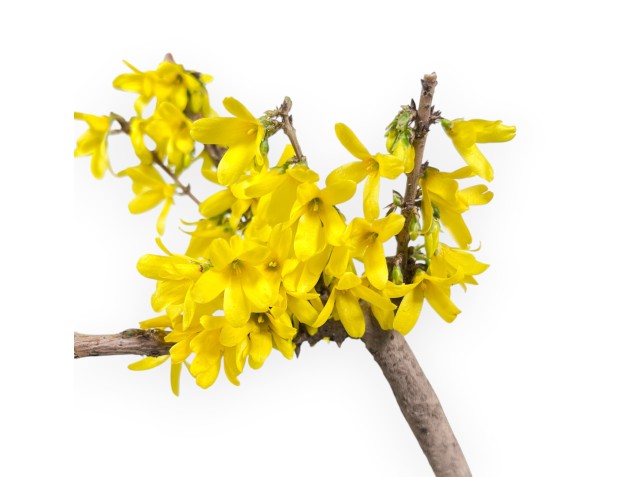
Forsythia is a deciduous shrub belonging to the Oleaceae family, famous for its abundant bright yellow spring flowers. It blooms before the leaves, covering the bare branches with small bell-shaped flowers, offering a striking spectacle even in bonsai format. Although not one of the most traditionally used species in Japanese bonsai, Forsythia is highly valued for its hardiness, rapid growth and natural, 'wild' appearance. It lends itself well to styles such as grove (yose-ue), informal upright (moyogi) or literary (bunjin). Cultivating it as a bonsai requires attention to form control in particular, but it offers great satisfaction due to its early and intense flowering.

Its ideal location is outdoors in full sun, but in a well-ventilated area. It is a very hardy species that can withstand even very harsh winter temperatures; the only drawback is late frosts which, as already mentioned, could cause the premature loss of its beautiful flowers. A good solution is to place the plant under a canopy or on a bench during the night.

The common rule of watering whenever the soil feels dry to the touch is also ideal for Forsythia, bearing in mind, however, that in hotter periods and in strong winds, it is necessary to water more frequently. In fact, in these cases, the soil often risks becoming completely dry. It is also important to bear in mind that both a lack of water and an excess of water can cause serious imbalances in the plant.

The root growth of this species is remarkable, especially in younger trees, so much so that if it is not repotted for two consecutive years, the vigorous development of the root system takes energy away from the rest of the plant. This shows how essential it is to repot annually in the early years of the tree's life, reducing the frequency to every two years in adult specimens. The ideal time is immediately after flowering. The most suitable compost for this species consists of 60% akadama and 40% ready-made soil.

Flower buds form at the ends of the branches, so it is advisable to prune the tips of the shoots around the end of May. Once flowering is complete, it is necessary to remove the wilted flowers and prune the branches. When doing this, it is important to always leave some leaf buds, otherwise you risk losing the branch. A peculiarity of this plant is that leaf buds form in areas where flowering has occurred; if the flowers are left too long, these buds cannot develop properly, so if you want to achieve a good silhouette, you must not neglect this delicate aspect of pruning. Forsythia produces numerous suckers at the base: to maintain a neat structure, it is best to remove them immediately as soon as they appear. During the branching phase, it is best to ignore flowering and continue pruning until the end of August. Once the basic structure has been achieved, you can freely focus on flowering.

In June and July, it is advisable to carefully observe the tree, removing flower buds from branches that have not formed leaf buds with tweezers. This ensures that the plant produces leaf buds on branches that previously only had flower buds before vegetative growth resumes. Pinching should also be carried out on branches that appear excessively vigorous, removing them.

Wrapping can be carried out throughout the year, provided that it is done with due care. It is best to use copper-coated aluminum wire wrapped with adhesive tape and slightly thicker than necessary, avoiding excessive pressure on the branches and drastic bending. However, it is preferable to prune branches that grow in an unsuitable position rather than drastically changing their direction with wrapping. It is important to remember that wrapping can only be done when the branches are still tender, i.e., when their thickness has not exceeded 0.5 cm.

Fertilize from the end of flowering until the leaves fall, every three or four weeks with slow-release organic fertilizer such as Hanagokoro (Bonsan line), avoiding the hottest months. It is also good to fertilize during the fall, although much more lightly.

With proper care and ideal placement, Forsythia is a species that is particularly resistant to disease and pest attacks. However, it is sometimes susceptible to aphids.

Advice on:
Location

Its ideal location is outdoors in full sun, but in a well-ventilated area. It is a very hardy species that can withstand even very harsh winter temperatures; the only drawback is late frosts which, as already mentioned, could cause the premature loss of its beautiful flowers. A good solution is to place the plant under a canopy or on a bench during the night.

Watering

The common rule of watering whenever the soil feels dry to the touch is also ideal for Forsythia, bearing in mind, however, that in hotter periods and in strong winds, it is necessary to water more frequently. In fact, in these cases, the soil often risks becoming completely dry. It is also important to bear in mind that both a lack of water and an excess of water can cause serious imbalances in the plant.

Repotting

The root growth of this species is remarkable, especially in younger trees, so much so that if it is not repotted for two consecutive years, the vigorous development of the root system takes energy away from the rest of the plant. This shows how essential it is to repot annually in the early years of the tree's life, reducing the frequency to every two years in adult specimens. The ideal time is immediately after flowering. The most suitable compost for this species consists of 60% akadama and 40% ready-made soil.

Pruning

Flower buds form at the ends of the branches, so it is advisable to prune the tips of the shoots around the end of May. Once flowering is complete, it is necessary to remove the wilted flowers and prune the branches. When doing this, it is important to always leave some leaf buds, otherwise you risk losing the branch. A peculiarity of this plant is that leaf buds form in areas where flowering has occurred; if the flowers are left too long, these buds cannot develop properly, so if you want to achieve a good silhouette, you must not neglect this delicate aspect of pruning. Forsythia produces numerous suckers at the base: to maintain a neat structure, it is best to remove them immediately as soon as they appear. During the branching phase, it is best to ignore flowering and continue pruning until the end of August. Once the basic structure has been achieved, you can freely focus on flowering.

Pinching

In June and July, it is advisable to carefully observe the tree, removing flower buds from branches that have not formed leaf buds with tweezers. This ensures that the plant produces leaf buds on branches that previously only had flower buds before vegetative growth resumes. Pinching should also be carried out on branches that appear excessively vigorous, removing them.

Wiring

Wiring can be carried out throughout the year, provided that it is done with due care. It is best to use copper-coated aluminum wire wrapped with adhesive tape and slightly thicker than necessary, avoiding excessive pressure on the branches and drastic bending. However, it is preferable to prune branches that grow in an unsuitable position rather than drastically changing their direction with wrapping. It is important to remember that wrapping can only be done when the branches are still tender, i.e., when their thickness has not exceeded 0.5 cm.

Fertilization

Fertilize from the end of flowering until the leaves fall, every three or four weeks with slow-release organic fertilizer such as Hanagokoro (Bonsan line), avoiding the hottest months. It is also good to fertilize during the fall, although much more lightly.

Care

With proper care and ideal placement, Forsythia is a species that is particularly resistant to disease and pest attacks. However, it is sometimes susceptible to aphids.

Filter by
Categories
Price
Height
Height without pot
Filter
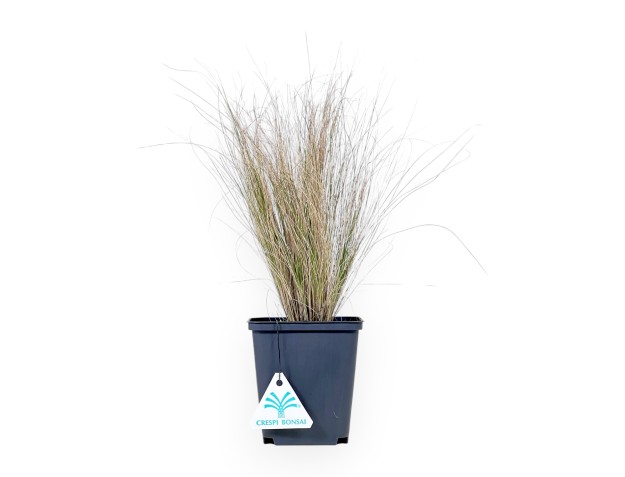
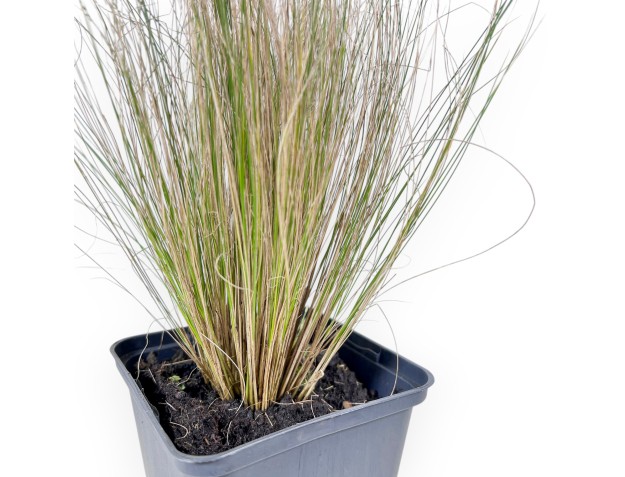
Hakonechloa Macra 'Aureola' - Young Plant Hakonechloa Macra 'Aureola' - Young Plant 2
  • New
Available
Raw Bonsai

Hakonechloa brand halo - 29 cm

Forsythia
Z99LA/N-7173
€11.77
Hakonechloa halo plant characterised by a height without pot of 21.5 cm and a trunk size of 1 cm. The plant is grown in a round plastic pot whose dimensions are Ø14x11.5 cm.
Pre-bonsai Forsythia intermedia 'Mikador' - Yellow spring flowering Pre-bonsai Forsythia intermedia 'Mikador' - Yellow spring flowering 2
Available
Raw Bonsai

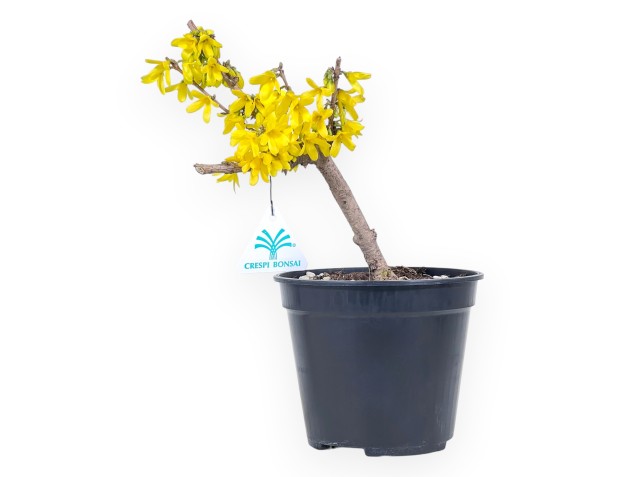
Forsythia intermedia mikador - 29 cm

Forsythia
Z15LA/N-7142
€11.77
Working plant of Forsythia intermedia mikador characterised by a height without pot of 17.5 cm and a trunk size of 1 cm. The plant is grown in a round plastic pot whose dimensions are Ø14x11.5 cm.
Forsythia Intermedia Nimbus - 20 cm
Available
Raw Bonsai

Forsythia Intermedia Nimbus - 20 cm

Forsythia
Z99U/N-3128
€7.23
To work Appearance may change according to the seasons Bonsai are living beings and each one is different from the others, so the plant you receive will be very similar but not the same as the one you see in the photograph Height (with pot): 30 cm - may vary with the vegetative growth of the plant
Product added to wishlist